
Tips on how to Childproof Your Bathroom
Tips on how to Childproof Your Bathroom
Have you ever watched a toddler discover a bathroom? To us, it’s just another room in the house. To a curious little explorer, it’s a fascinating world of taps to turn, cupboards to investigate, toilets to peek into and bottles just begging to be opened!
Unfortunately, some of the most ordinary things in our bathrooms can also pose serious risks to little ones.
Having childproofed countless family homes over the years, I’ve seen just how easily these everyday hazards can be overlooked. The good news? A few thoughtful precautions can make a world of difference.
Let’s take a closer look at how to make your bathroom a safer place for your baby or toddler.
BATHROOM SAFETY
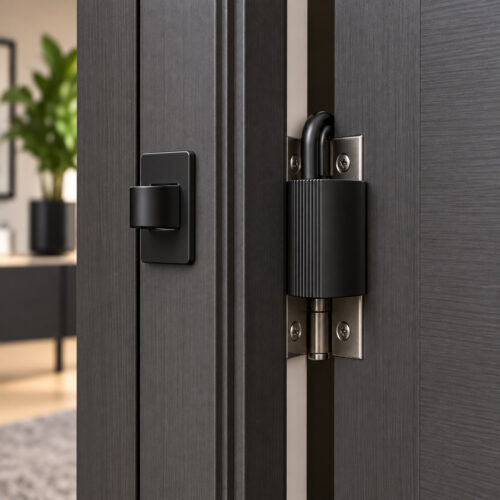
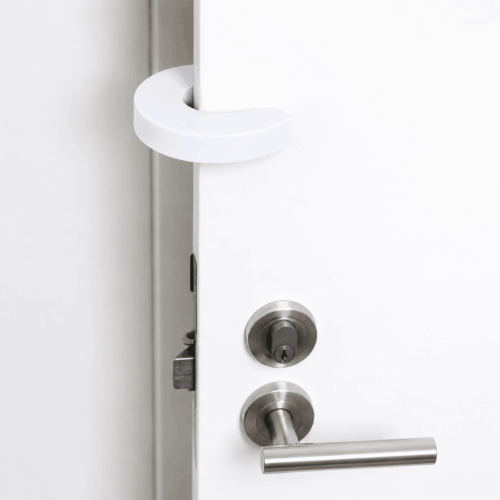
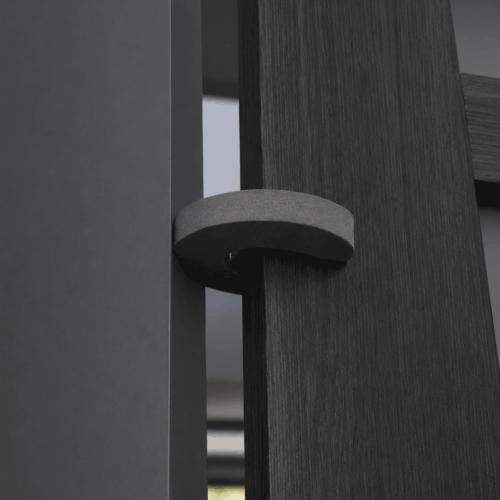
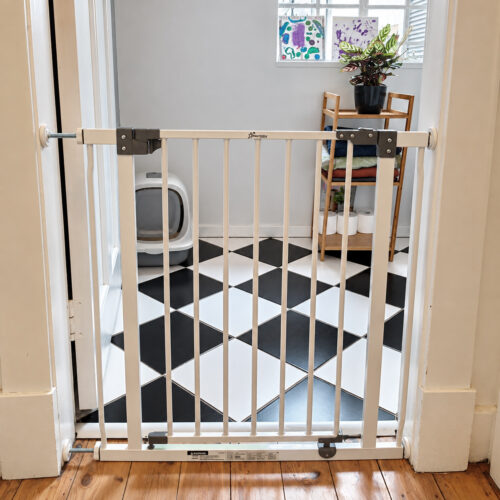
CHILDPROOF DOOR LOCKS & ANTI-PINCH GUARDS
- Never leave babies or young children unattended in the bathroom. Constant adult supervision is essential, especially around baths, showers, toilets and running water. Children can drown quickly and silently in very shallow water. Never leave a child alone in the bath, even for a few seconds. If you need to leave, always take your child with you.
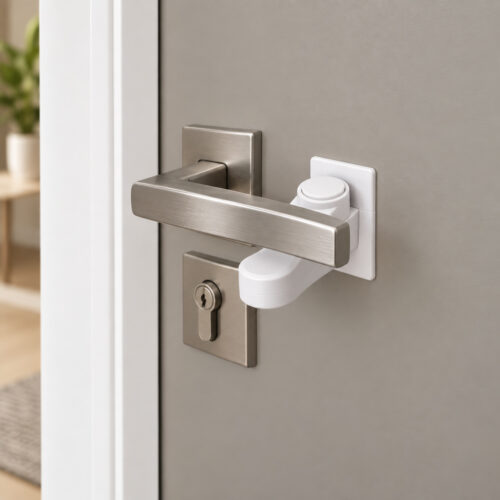
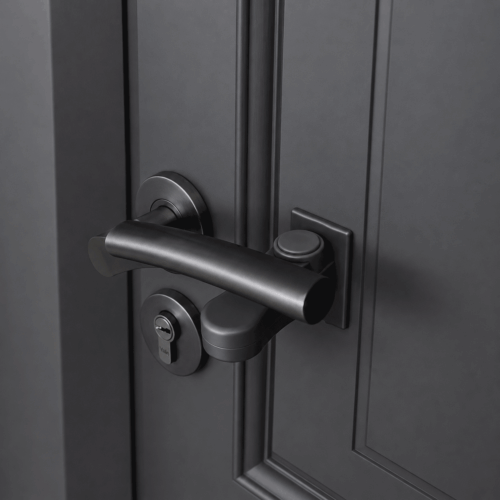
- Keep bathrooms off limits when children are unsupervised. Consider installing childproofing products to help prevent young children from entering unattended, while ensuring adults can open the door quickly in an emergency.
- Young children can easily lock themselves inside the bathroom too.
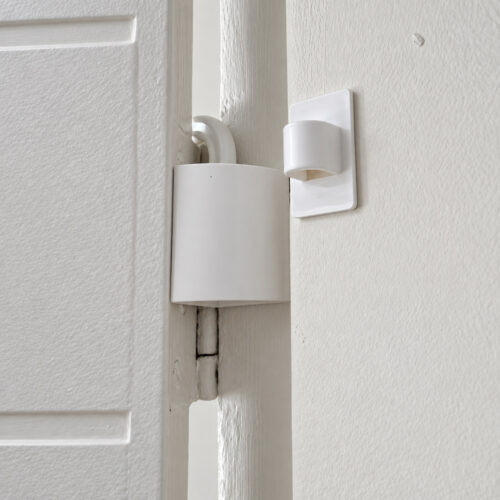
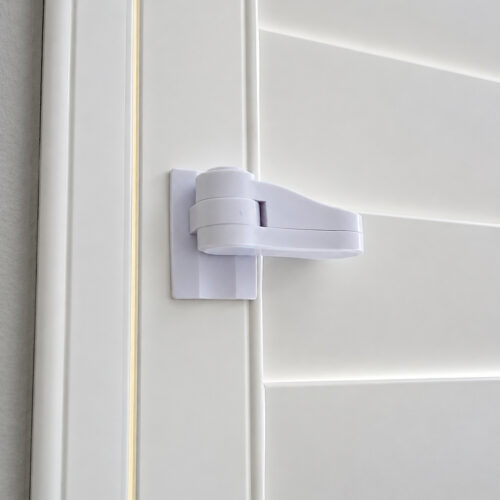
- Protect little fingers from bathroom doors. Prevent painful finger-trapping injuries by keeping doors securely positioned and installing a door hinge gap protector where needed.
ADULT SUPERVISION
IMPORTANT DISCLAIMER: No safety device or change to your home can replace a responsible, attentive caregiver.
Adult supervision is ALWAYS essential when babies and children are present, even in a babyproofed home. Child safety products help reduce risks, but they cannot prevent every accident.
Keep toxic substances, dangerous plants, sharp objects and breakable glass items securely stored where children cannot reach them. Use locked storage wherever possible.
FAUCET LEVER LOCKS
- Use only a small amount of bathwater. For babies, approximately 6–10 cm of water may be sufficient, depending on their age and size. Always support babies securely, keep them within arm’s reach and never rely on shallow water as a substitute for supervision. Empty the bath immediately after use.
- Check the bathwater temperature before bathing your child. Aim for comfortably warm water, approximately 37°C for babies. Use a reliable digital baby bath thermometer and double-check the temperature with your elbow or wrist.
- Always run cold water first, then add hot water. Mix the water thoroughly and check the temperature before bathing your child. Never add hot water while your child is in the bath.
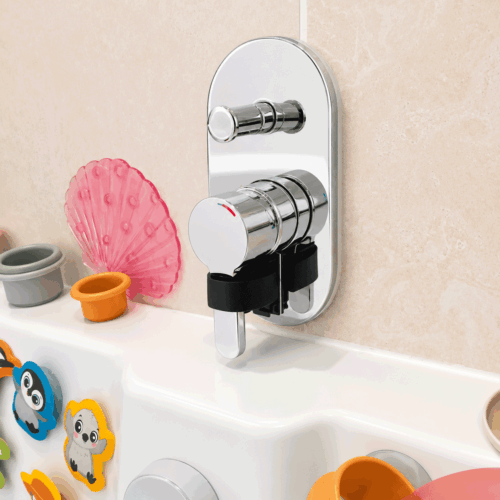
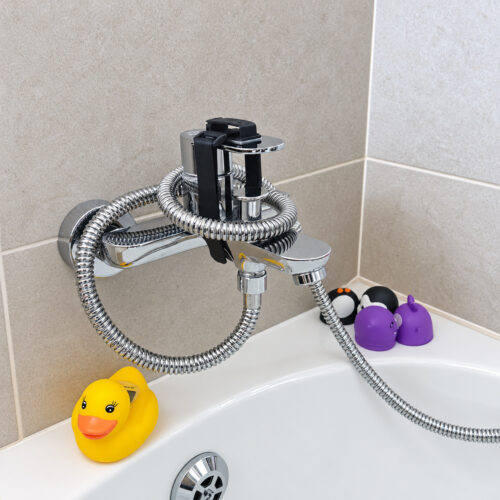
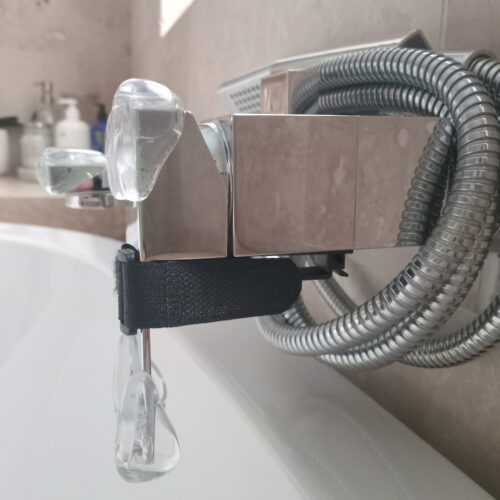
- Prevent accidental access to hot water taps. Young children can suffer serious scalds within seconds of contact with excessively hot water. Never leave hot taps running unattended. Consider installing a Baby Proof Faucet Handle Lever Lock on compatible taps to help prevent toddlers from turning them on.
- Reduce the risk of tap-water and shower scalds. Sudden changes in water pressure can cause unexpected temperature fluctuations, particularly in showers. Consider having a qualified plumber install thermostatic mixing valves or suitable temperature-limiting devices. Do not lower your geyser’s storage temperature without professional advice, as insufficient storage temperatures can encourage harmful bacterial growth.

TODDLER NON-SLIP, SELF GRIPPING BATHMATS
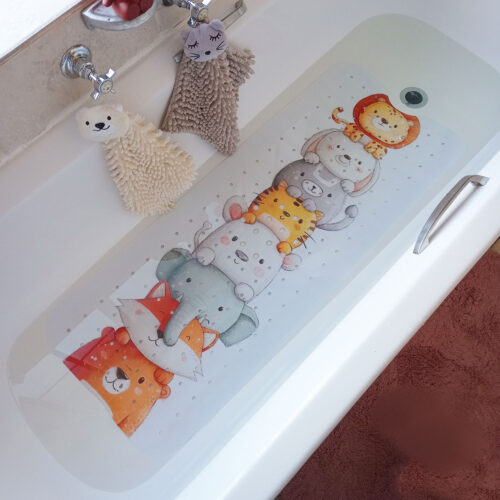
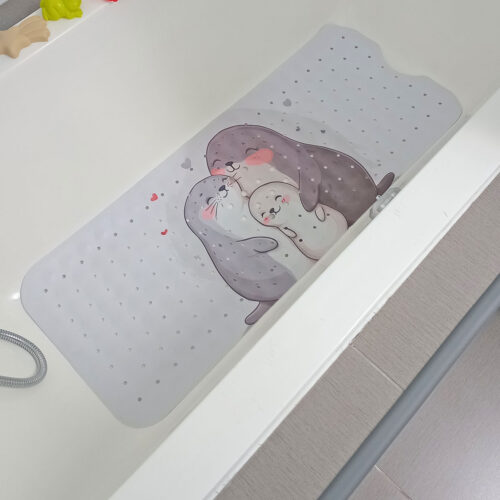
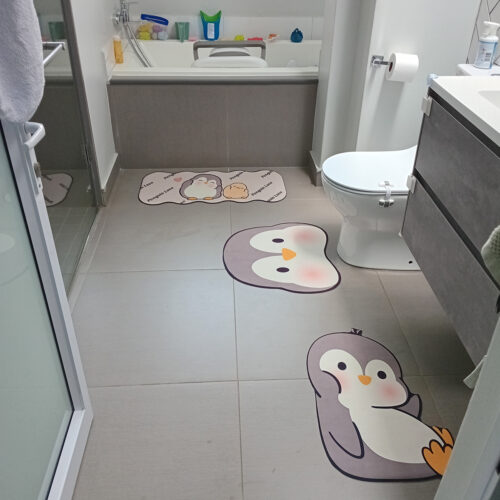
- Prevent slips and falls. Use a large non-slip bath mat inside the bathtub and non-slip bathroom floor mats for extra grip on slippery surfaces. Keep floors dry and support young children when entering or leaving the bath.

CHILDPROOF CORNER & EDGE GUARDS
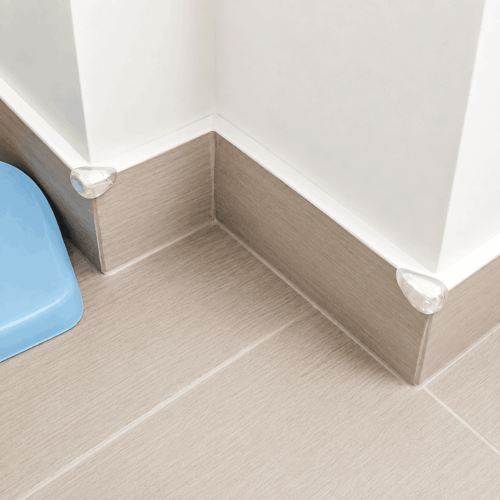
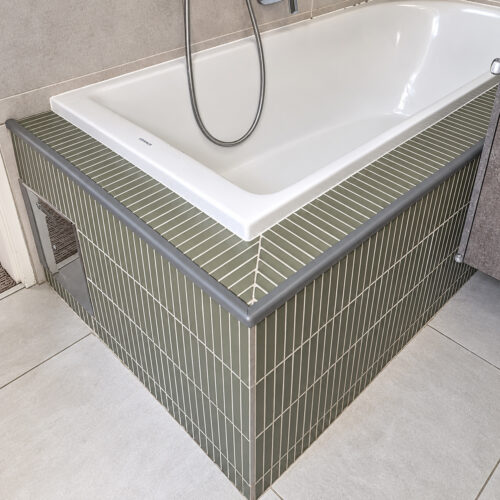
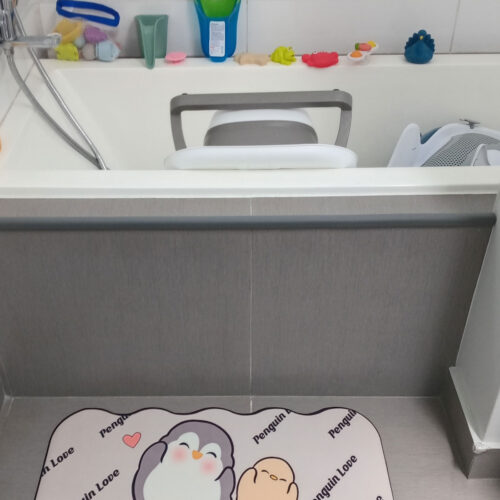
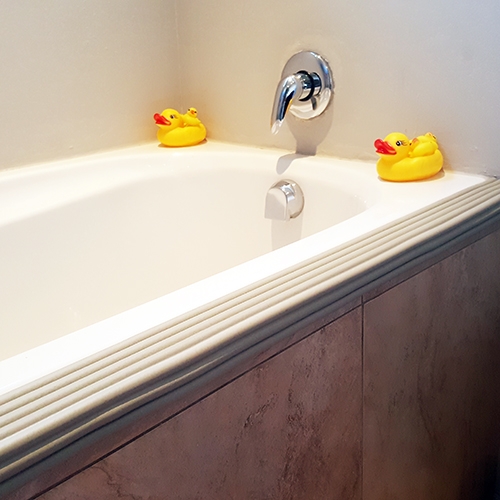
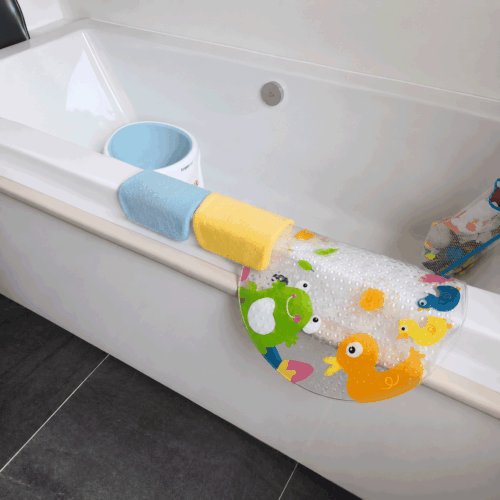
- Protect sharp tiled edges and corners. Sharp edges on tiled skirting boards, bathtubs, shower entrances, vanity units and bathroom cabinets can cause injuries during falls. Install suitable childproof corner and edge protectors to help cushion accidental bumps. Check regularly that protectors remain securely attached.


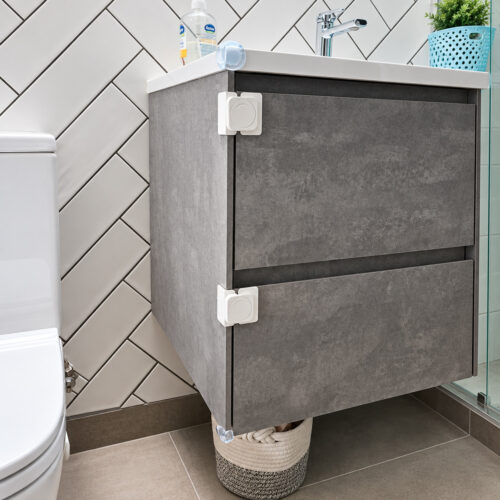
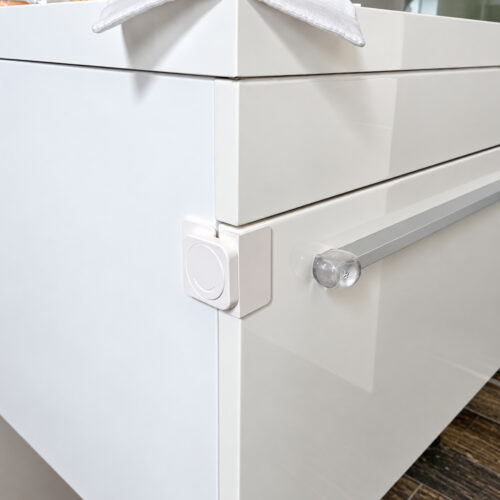
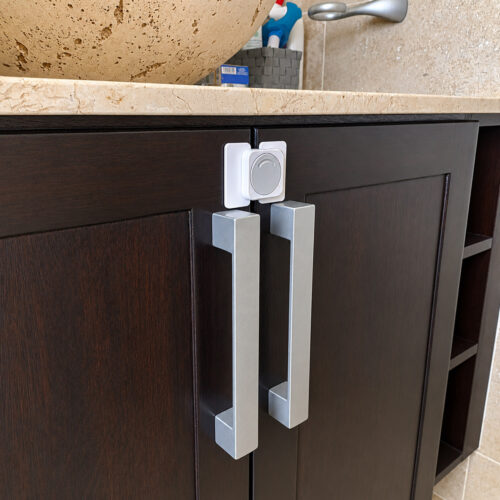
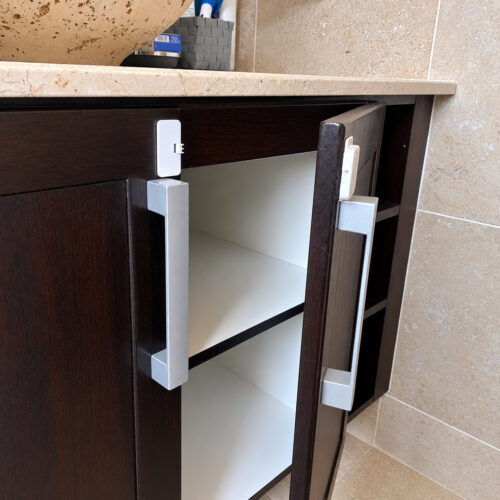
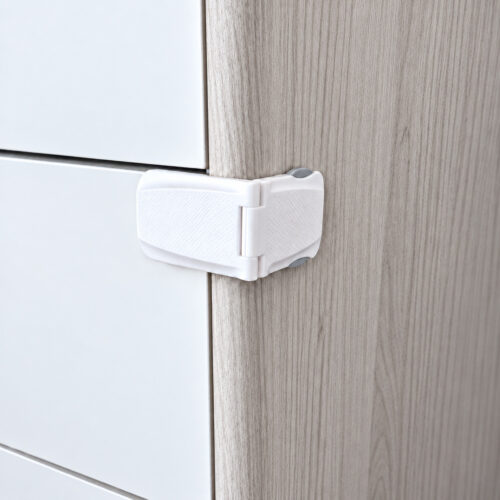
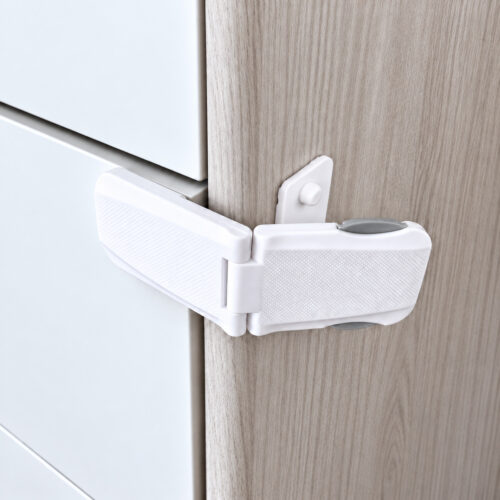
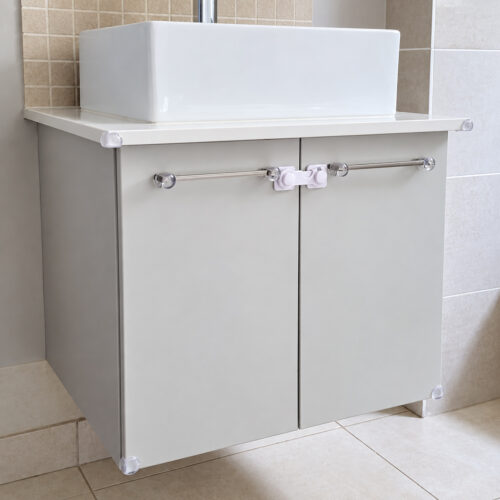
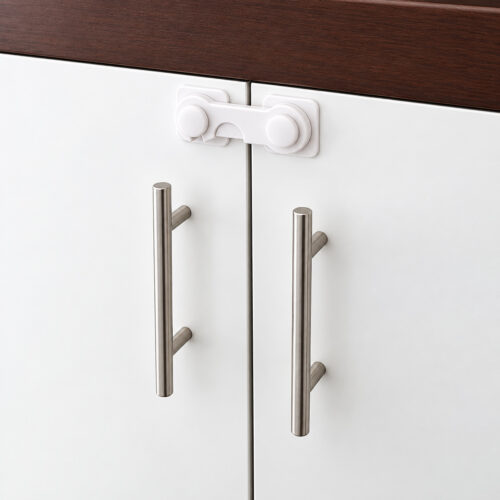
CHILDPROOF BATHROOM LOCKS FOR CABINETS & DRAWERS
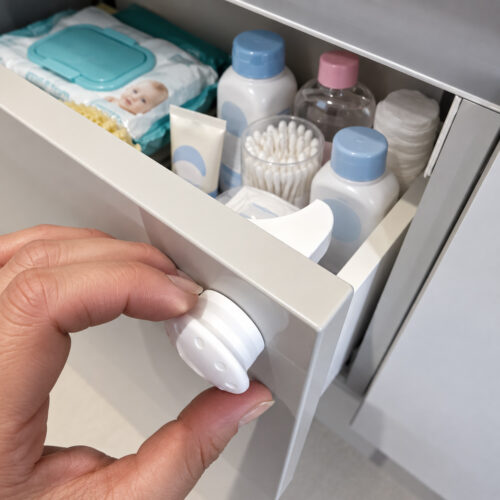
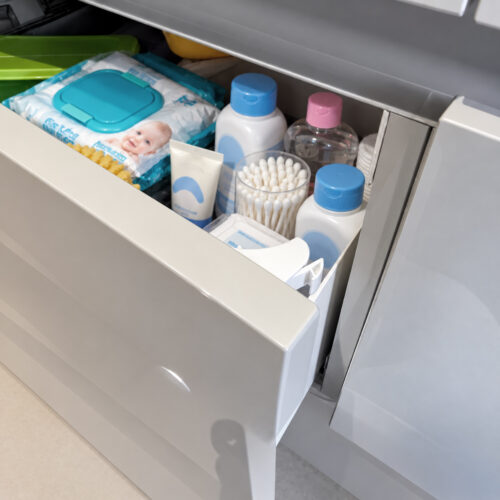
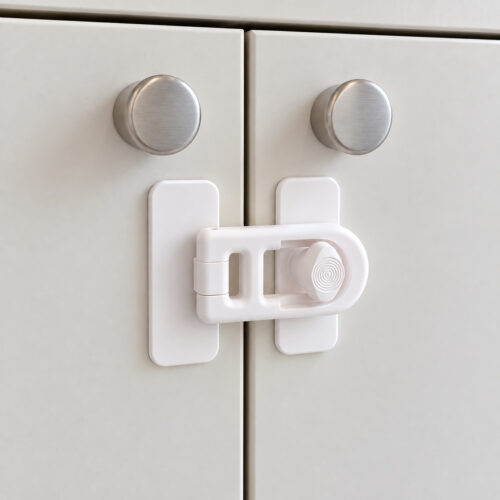
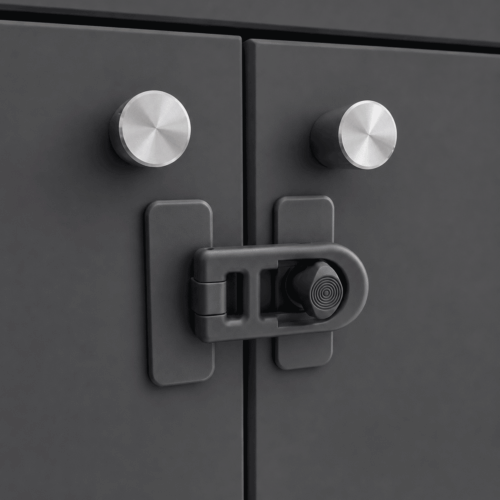
- Secure bathroom cabinets and drawers. Store cleaning products, medicines, toiletries and other potentially hazardous items in high, locked cupboards. Install suitable childproof locks and latches to help prevent curious little hands from gaining access.
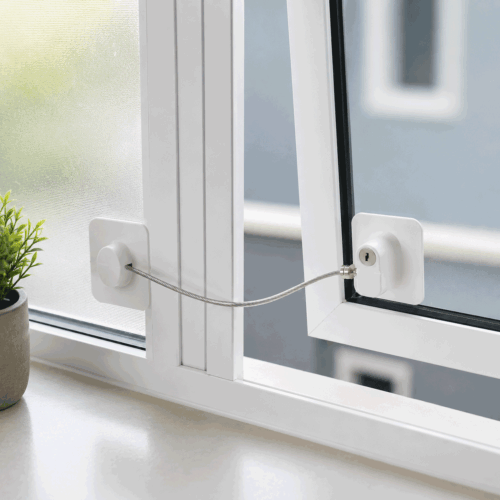
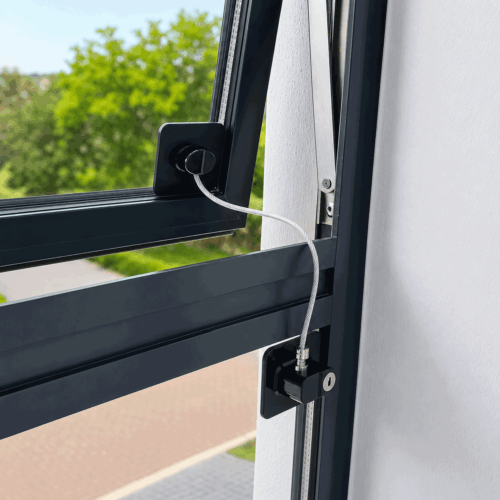
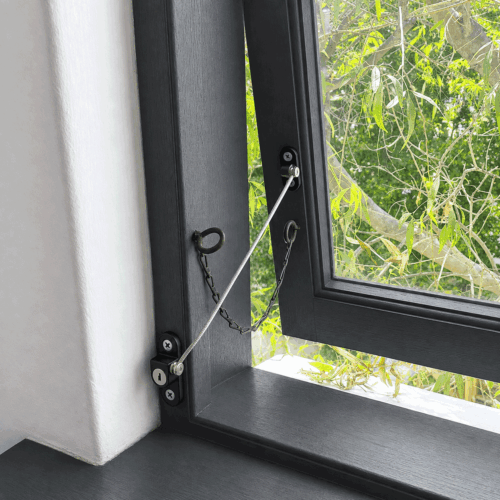
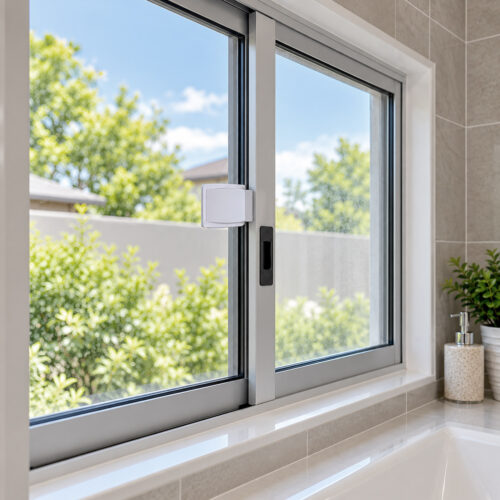
BATHROOM WINDOW LOCKS
- Secure accessible bathroom windows. Install appropriate childproof window locks or suitable safety barriers to help prevent falls. Keep climbable furniture away from windows, check that security barriers have no dangerous gaps and ensure emergency escape routes remain accessible.
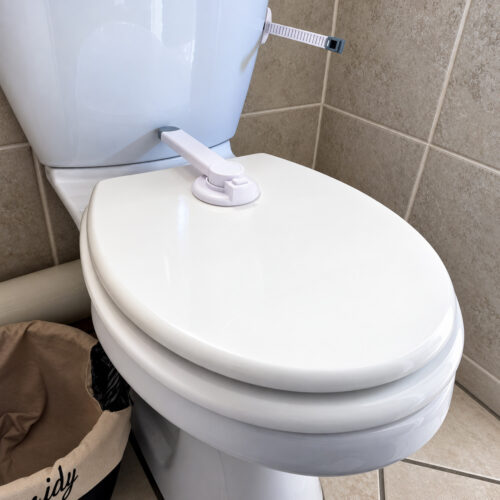
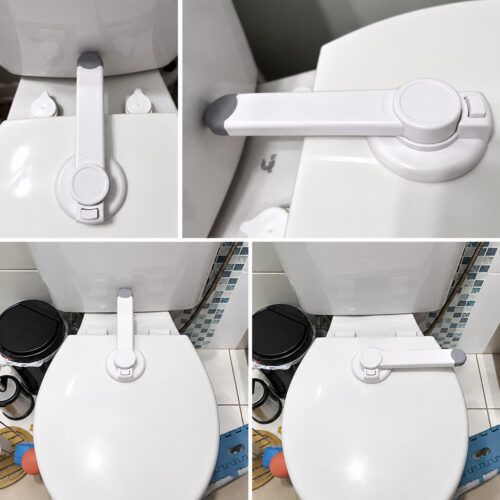
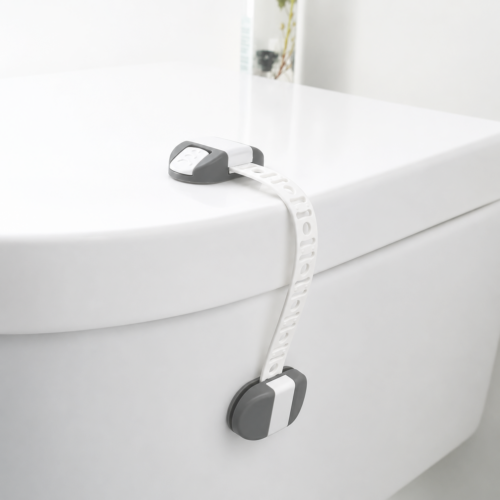
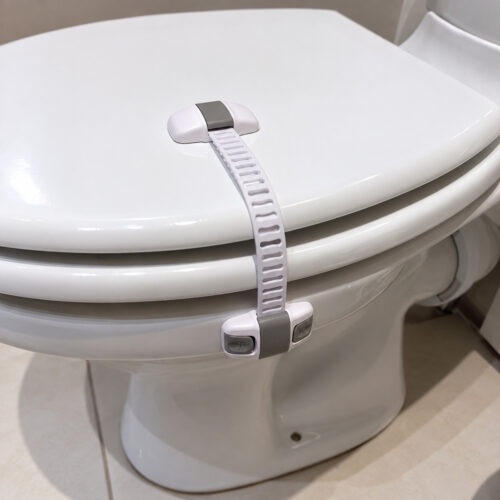
CHILDPROOF TOILET LOCKS
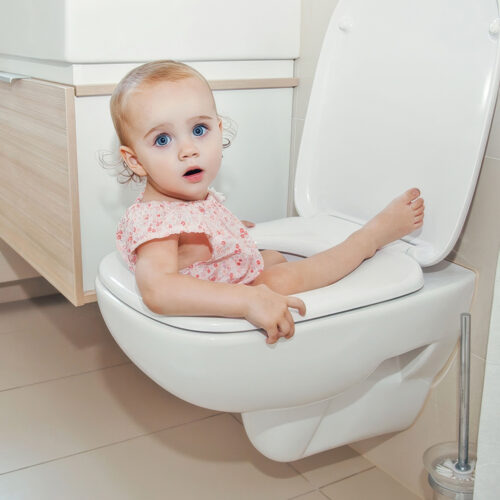
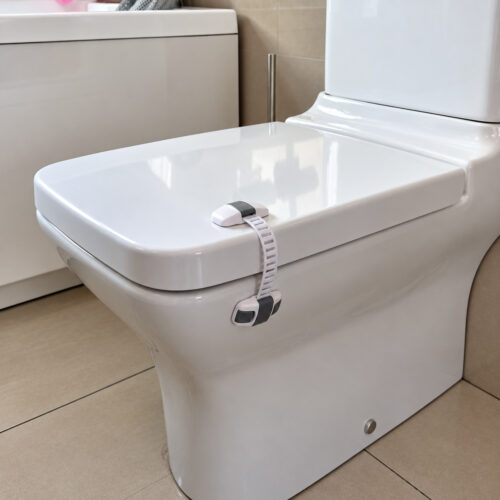
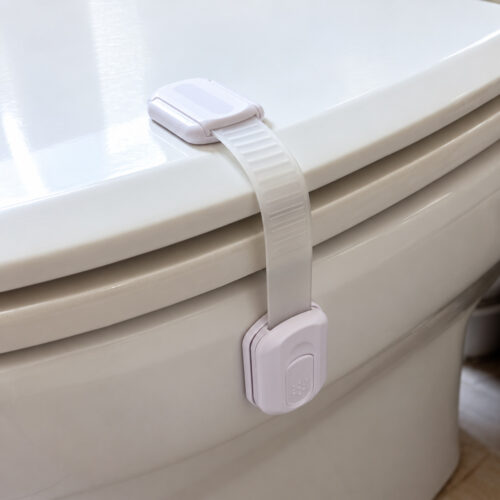
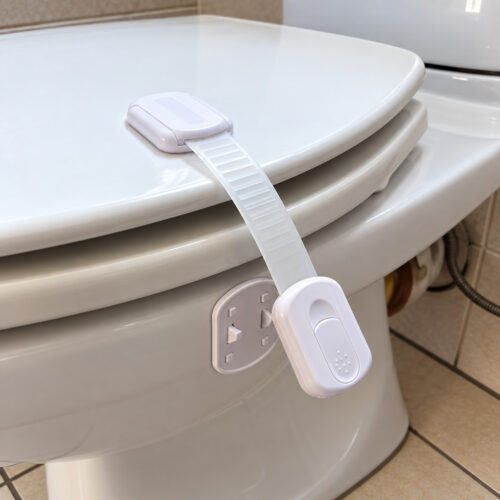
- Secure the toilet lid. Install a suitable childproof toilet lock to help prevent young children from accessing toilet water, coming into contact with harmful bacteria or flushing toys and other objects down the toilet. Toilet locks do not replace adult supervision.
TOILET BRUSH VELCRO LATCHES
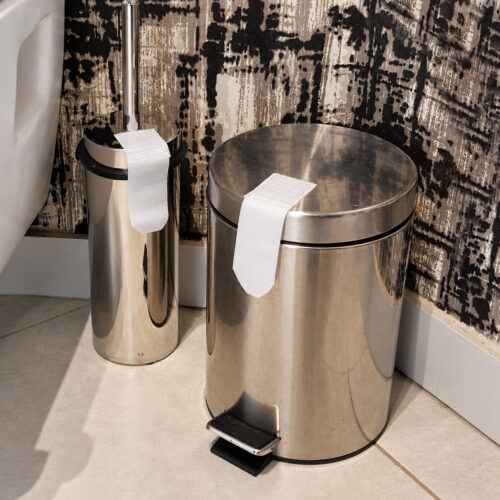
- Keep bathroom waste bins out of reach. Used razors, medication packaging and discarded toiletries can pose serious hazards. Choose a bin with a secure lid and keep it inaccessible to young children.
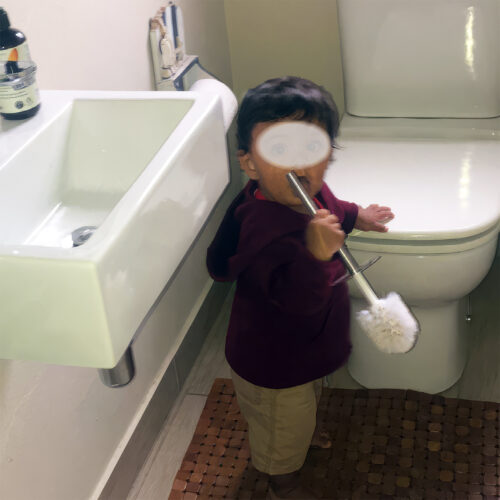
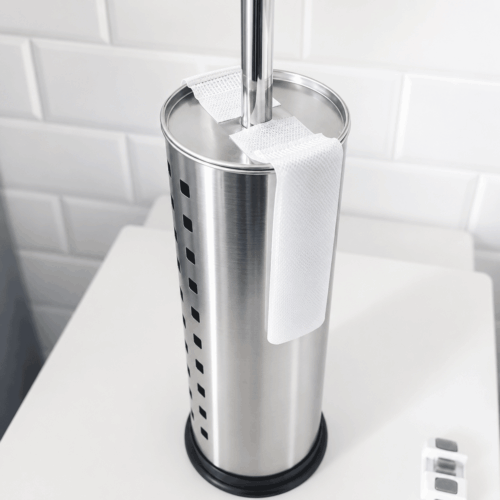
- Keep toilet brushes securely stored. Toilet brushes can harbour harmful bacteria and should remain inaccessible to young children. Choose an enclosed holder and secure it using our Baby Proof Toilet Brush Velcro Latch to help prevent curious little hands from removing the brush.

ADDITIONAL BATHROOM AND TOILET SAFETY TIPS
- Choose bathroom heaters carefully. If heating is necessary, consider a purpose-designed, wall-mounted bathroom heater installed safely out of children’s reach. Have a qualified electrician ensure it is suitable for bathroom use and meets electrical safety requirements.
- Choose a stable potty or toilet training seat. Select a sturdy, age-appropriate potty or toilet training seat that fits securely and is easy to clean. Always supervise young children during toilet training.
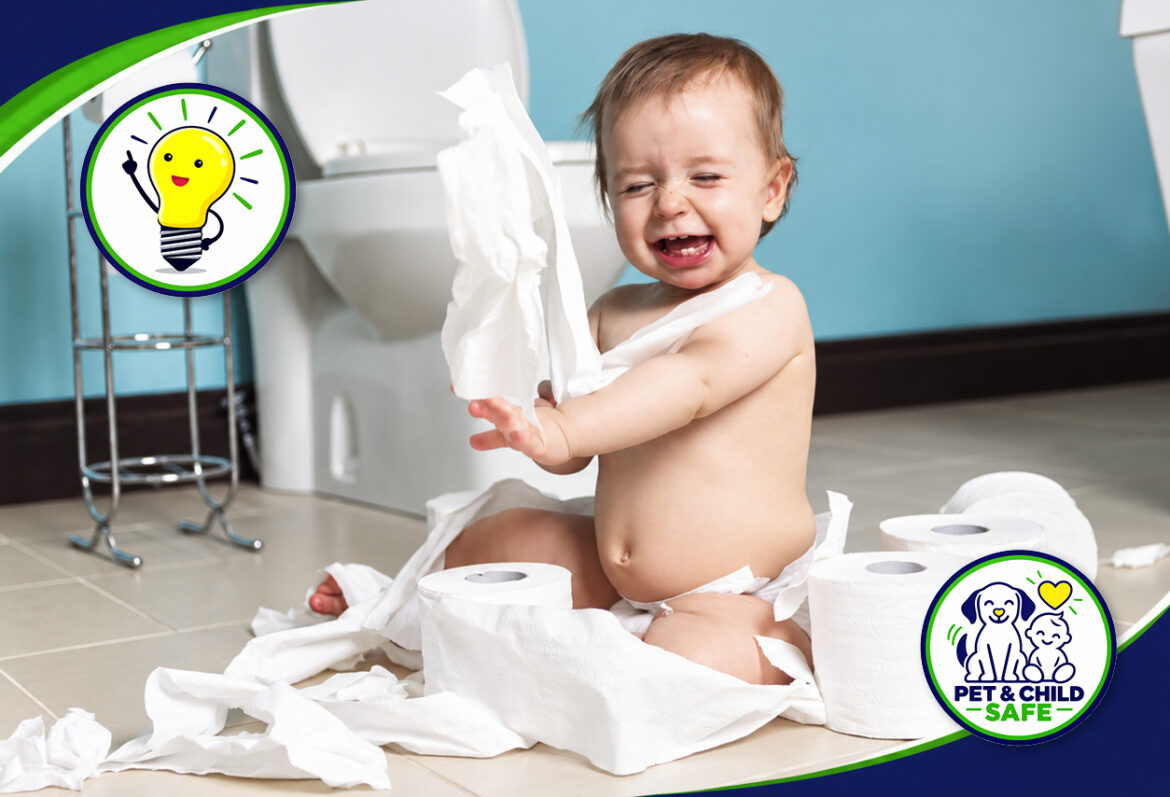
- Keep toilet rolls out of curious little hands. Toddlers love unravelling toilet paper, often creating quite a mess! Position toilet rolls out of reach or use an enclosed toilet roll holder to discourage unnecessary mischief.
- Prevent mold and mildew. Keep bathrooms well ventilated, repair leaks promptly and clean damp areas regularly to minimize mold growth and maintain a healthier bathroom environment.
- Keep electrical appliances away from water. Unplug hairdryers, electric shavers, chargers and other electrical devices after use. Store them safely away from baths, basins and wet surfaces.
FIRST AID & EMS SERVICES
EMERGENCY AID AND CONTACTS
Have an emergency aid protocol + contact list on your Fridge.
CLICK HERE to download BABY PROOFS’ Infants VS Children – CPR and Choking Protocol.

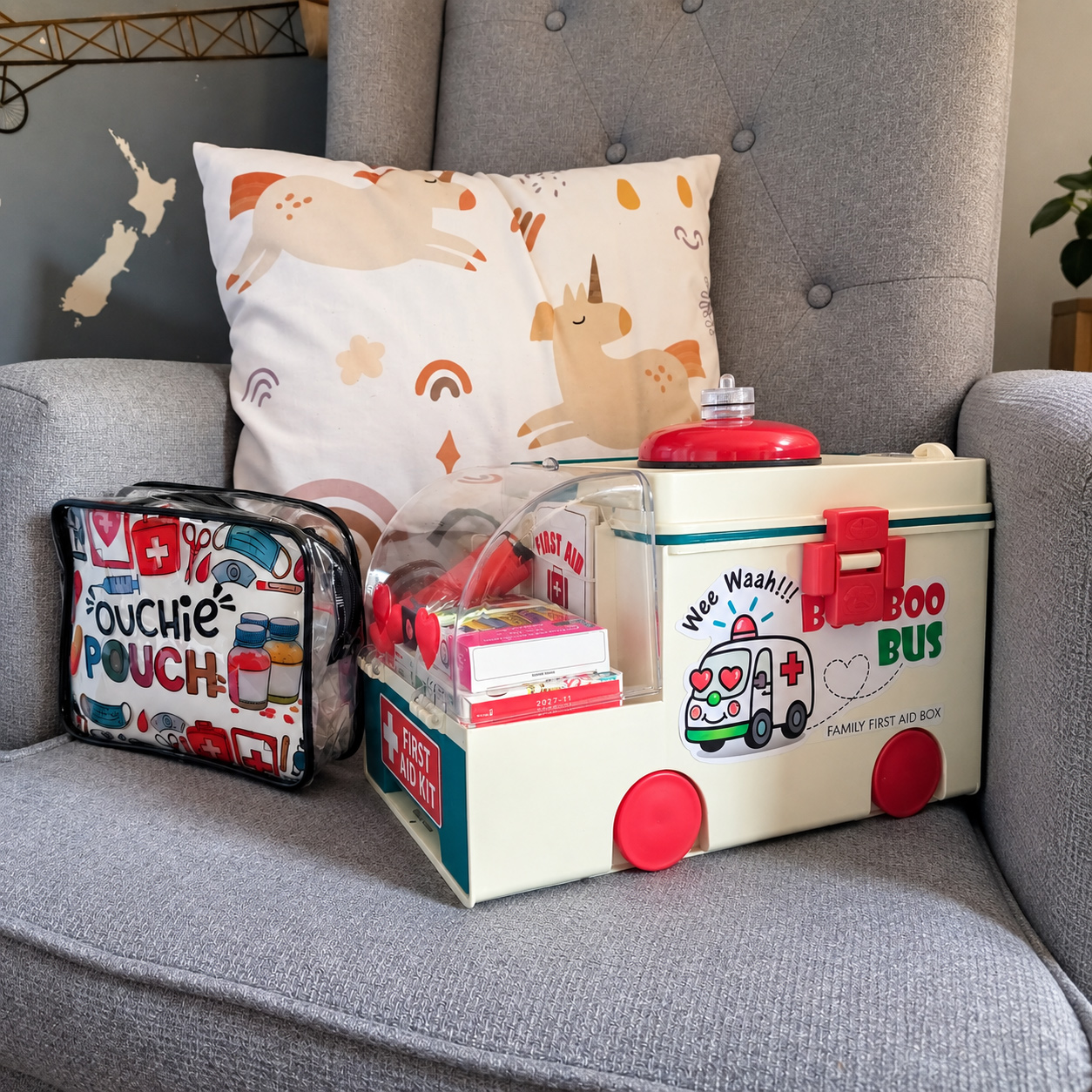
FAMILY FIRST AID KITS
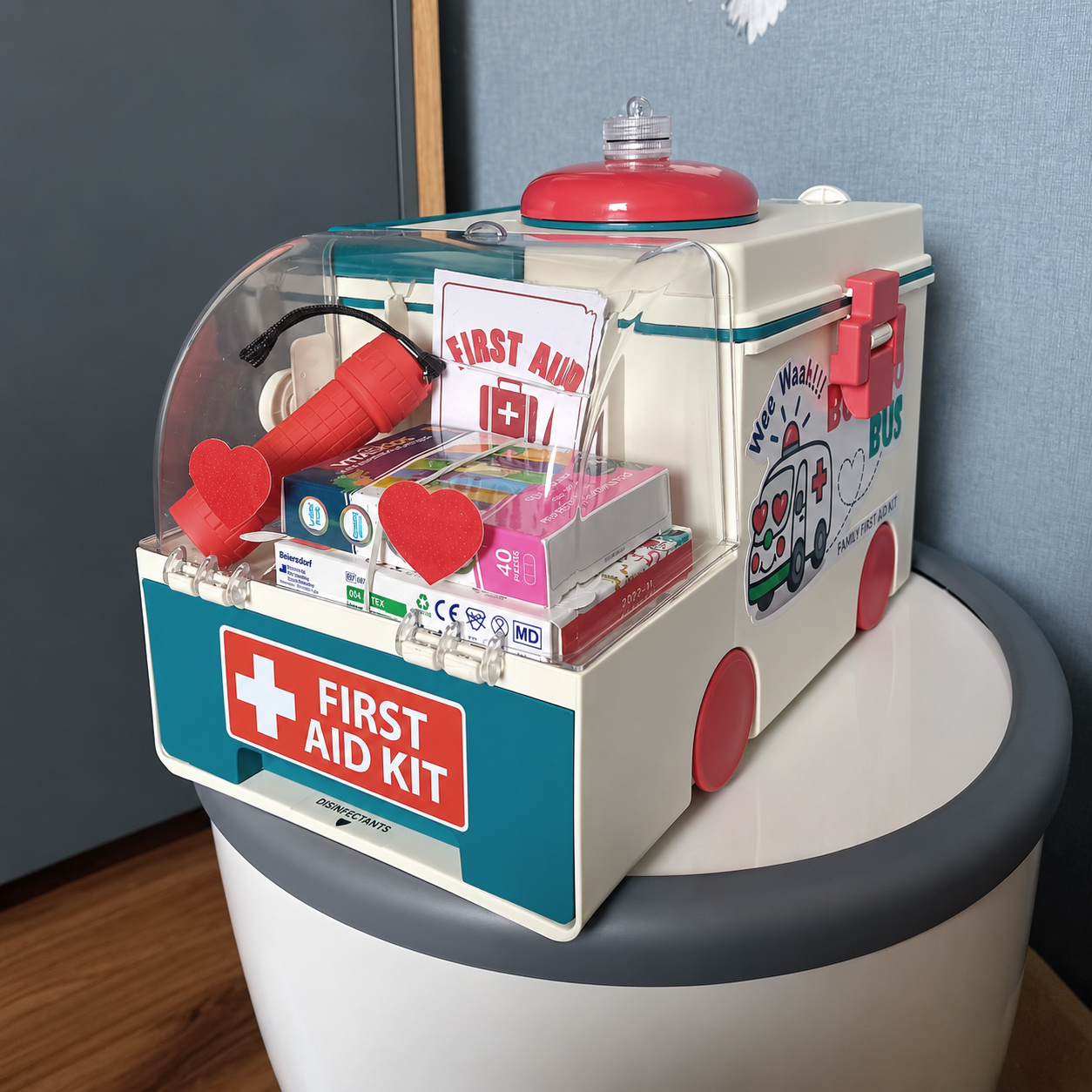
BE PREPARED for everyday emergencies with BABY PROOF SA’S range of Ambulance First Aid Kits, all with a kid-friendly design to turn stressful moments into manageable ones — especially for parents and caregivers.


RELATED ARTICLES
I hope this information has provided some valuable insight, if there is anything you would like to add or information you have spotted is incorrect, kindly contact Michelle on 082 499 5858 or email: michelle@babyproof.co.za
We’d like to THANK-YOU for getting on board with child safety and taking this important first step in your child’s future. We welcome you into our safety net!
Disclaimer: All images and content © 2007-present Baby Proof SA. All Rights Reserved.

