

How to Baby Proof for Multiple Children: A South African Guide
Exploring South African Home Layouts for Family Safety
Maximising Safety with Common Room Configurations
The design of South African homes frequently features open-plan living spaces that are both visually appealing and practical for family dynamics. However, this layout can pose challenges when considering how to baby proof for multiple children. Open-plan configurations enhance visibility across areas but necessitate meticulous planning to ensure safety for little ones. To create distinct zones, strategically position furniture that serves as informal barriers, guiding children and deterring them from wandering into hazardous spaces. This thoughtful arrangement allows for both freedom and safety within the home, keeping children secure while allowing parents to maintain a watchful eye.

childproofing-open-plan-living-spaces-creating-childproof-zones
Utilising area rugs is an effective way to delineate play areas, ensuring they are anchored down to prevent slipping. For households with toddlers and older kids, this layout encourages interaction and imaginative play, yet it also requires that parents stay alert and engaged. To minimise risks, decorative items and soft furnishings should be either out of reach or kept to a minimum, particularly in areas where children play freely. This approach ensures a balance between aesthetics and safety, fostering a nurturing environment.
Additionally, consider the flow of movement between different areas of the home. Since children are naturally attracted to the kitchen, establishing a nearby play zone allows for easy supervision while preparing meals. By prioritising spatial awareness, parents can cultivate a nurturing atmosphere that effectively addresses safety concerns linked with how to baby proof for multiple children, ensuring a harmonious living space for all.
Ensuring Staircase Safety in Family Homes

dreambaby-xtra-wide-hallway-gate-plus-45cm-extension-installed
Staircases are prevalent in many South African homes, presenting unique safety challenges, particularly when there are multiple children. Ensuring staircases are secure is crucial to prevent falls, which can result in serious injuries. Installing child-proof gates at both the top and bottom of the stairs creates secure barriers that keep young children contained and safe. These gates come in a variety of designs to complement different home aesthetics, ensuring that safety measures do not detract from the overall style of the home.
It’s also vital to educate older siblings about safety around stairs. Teach them the importance of using handrails and exercising caution when navigating stairs. By assigning them responsibilities, such as helping younger siblings, you not only foster a sense of maturity but also reinforce safety practices within the home. This collaborative approach to safety promotes a culture of vigilance.
Another important consideration is the design of the staircase itself. Sharp corners and open risers can introduce risks; therefore, where feasible, adding rounded edge guards and ensuring that baluster spacing is child-safe is essential.

non-slip-carpet-strips-for-stairs-dark-grey
Furthermore, installing carpet or non-slip treads can provide additional grip for little feet. These straightforward modifications can greatly enhance safety for all children in the home and reflect a proactive approach to how to baby proof for multiple children.
Creating Safe Outdoor Spaces for Children
South African gardens and yards are wonderful areas for outdoor play, offering ample space for children to explore and connect with nature. However, these outdoor environments come with their own safety concerns. The first step in how to baby proof for multiple children in an outdoor setting is to thoroughly assess the entire space for potential hazards.
Ensure that any poisonous plants are secured and that sharp objects, such as tools and garden equipment, are removed from areas accessible to children. Fencing is crucial, especially if your garden is adjacent to a busy road or has a swimming pool. Installing child-safe locks on gates is essential to prevent little explorers from wandering off unsupervised.
Using soft surfaces like grass or rubber mats can cushion falls when children are playing outside. Additionally, when setting up play equipment, ensure that it is age-appropriate and complies with safety standards. Regular inspections for wear and tear on items like swings or slides can prevent accidents. By promoting safe outdoor play, families can foster physical activity while enhancing family bonding, all while prioritising the safety of their children.

securing-balconies-for-child-safety
Securing Balconies and Verandas for Child Safety
Many South African homes feature balconies and verandas that provide stunning views and fresh air, yet they can pose risks for children. When addressing how to baby proof for multiple children, it is vital to secure these areas effectively. Start by installing balustrades that are both aesthetically pleasing and compliant with safety regulations. Ensure that the gaps between balustrades are narrow enough to prevent children from slipping through.
For existing balustrades with horizontal poles, that can create a ladder potential, or that have gaps wide enough for children to climb through, visit my articles on Safeguarding Balustrades and Banisters

2mm-clear-polycarbonate-south-africa-childproofing-balustrades
Consider adding locks, latches on doors or baby safety gates leading to these outdoor spaces. This precaution can significantly reduce the likelihood of children accessing balconies without supervision. Moreover, it is advisable to keep furniture away from railing edges, as children may try to climb on them to see over the barriers.
Regularly inspect the area for any potential safety hazards, such as loose tiles or slippery surfaces. Placing non-slip mats can also help mitigate falls, especially after rain. Encourage safe play on balconies and verandas by setting clear rules and supervising children closely, ensuring these delightful spaces can be enjoyed without compromising safety.
Implementing Pool Safety Measures for Families
The best line of defence when it comes to pool safety is to enrol your child into a swimming school as soon as possible, if you haven’t already. Not only will your child learn the essential survival skills, but they’ll also learn proper swimming technique so that their strokes are both effective and they conserve energy to prevent exhaustion.

- Water-familiarisation classes can begin from around 6 months.
- Formal swimming lessons are generally recommended from around 12 months, depending on the child’s development and readiness.
- If you have a pool, erect fencing at least 1.2m high with a self-closing, self-latching gate.
Swimming pools are common in many South African homes, offering endless fun during the warm summer months. However, they also present significant risks, especially for young children. When implementing how to baby proof for multiple children, strict pool safety measures are essential. Begin by installing a robust pool fence that meets local safety regulations, ensuring it includes a self-closing and self-latching gate. This barrier serves as the first line of defence to prevent children from accessing the pool area unsupervised.
REPUTABLE Pool Fencing Suppliers in South Africa:

PVC Pool Safety Fencing by Absolute Fencing

Glass Pool Balustrade

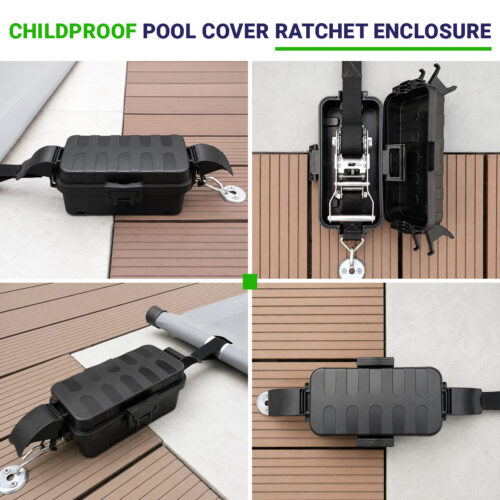
Does your Pool Cover have Ratchets?
Ensure your have ‘Childproof Pool Cover Ratchet Enclosures‘
childproof-pool-ratchet-cover
Pool safety covers that use ratchets can leave sharp metal components exposed around the pool area. These components may be accessible to young children and can cause cuts, lacerations or puncture injuries if a child trips over or falls onto the ratchet.
The Childproof Pool Cover Ratchet Enclosure is a purpose-designed Baby Proof product that surrounds the exposed ratchet mechanism, providing an additional layer of protection for children playing around the pool.
Supervision is another critical aspect of pool safety.
Designate a responsible adult to monitor children while they swim, especially when multiple children are present. Teaching children basic swimming skills and water safety can empower them to be more cautious around water. Enrolling them in swimming lessons can significantly reduce the risk of drowning incidents.
Keep poolside areas clear of toys and furniture that may tempt children to climb over barriers. Implementing additional safety measures such as pool alarms or flotation devices can provide extra layers of security. By emphasising the importance of pool safety within the family, you cultivate a culture of vigilance, ensuring that everyone understands the risks involved while enjoying the pool responsibly.
Ensuring Furniture and Appliance Safety
Securing Heavy Furniture Against Tipping Hazards
In homes with multiple children, the stability and security of heavy furniture is crucial for overall safety. South African homes often contain large, heavy items such as cupboards, bookshelves, and televisions that can easily tip over if not properly secured.

Securing-heavy-furniture-using-a-steel-L-shaped-bracket
Taking proactive measures to anchor these items can prevent tragic accidents. Use brackets and wall straps to secure tall furniture pieces to the wall, ensuring they cannot be pulled over by curious little hands.


adjustable-tv-straps-installed
Beyond furniture, equipment such as televisions should be placed on sturdy stands or securely mounted to prevent tipping.
Moreover, consider the layout of your living space; avoid placing heavy items in close proximity to play areas where children frequently run or play. This thoughtful arrangement can significantly reduce the risk of accidents occurring in your home.
Parents should also regularly review household items for stability and ensure that all anchoring methods remain secure. This simple yet powerful measure is essential to maintain a safe environment for children, emphasising safety as a top priority when considering how to baby proof for multiple children.
Implementing Locks on Cabinets and Drawers
Kitchens and bathrooms are typically filled with potential hazards, making it essential to lock cabinets and drawers in South African homes. Child-proof locks can be installed on kitchen cabinets that contain sharp tools or hazardous substances, such as cleaning products. These locks are designed to be child-resistant while remaining accessible for adults, striking a balance between safety and usability.
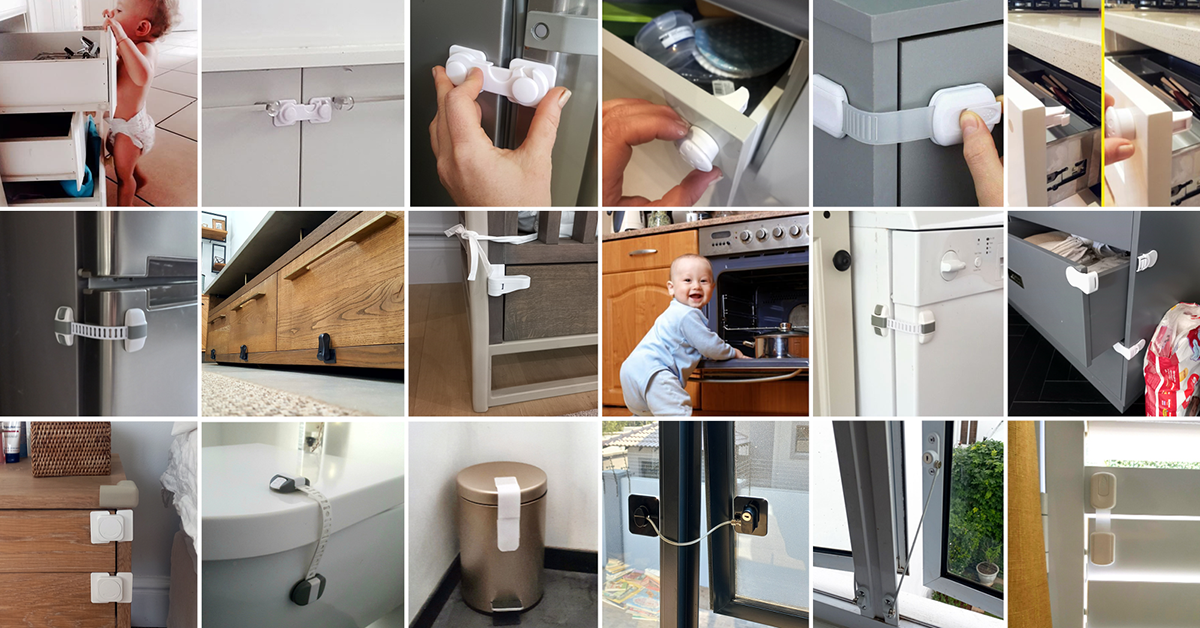 In the bathroom, medications and toiletries should be stored in secured cabinets. Many parents choose to use clear, labelled storage bins to keep items organised while ensuring they remain out of reach of children. Educating all family members about the importance of returning items to their designated storage spaces reinforces a culture of safety within the household.
Regular checks to ensure that all locks function correctly are vital, and consider upgrading to more advanced locking systems if necessary. These straightforward actions can dramatically reduce the risk of accidental poisoning or injury, reinforcing a proactive stance on how to baby proof for multiple children.
Protecting Electrical Outlets for Child Safety
Electrical outlets pose one of the most significant risks in any home, particularly for inquisitive children. In South African homes, it is crucial to cover all electrical outlets to prevent accidents. Outlet covers come in various styles, and parents should select the ones that best suit their home environment. Simple plug covers can be effective, while sliding child-proof covers offer an additional layer of security.

two-point-plug-protector-south-africa
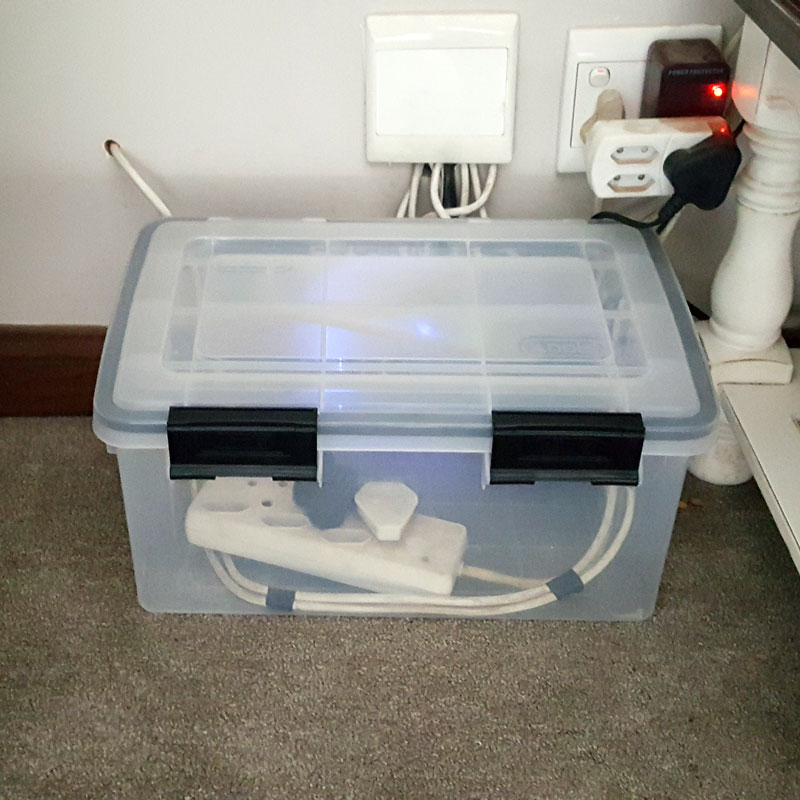
Educating children about the dangers of electricity and establishing rules regarding play areas near outlets is essential. Regularly inspecting cords and plugs for signs of damage or fraying, and avoiding overloading outlets with too many devices, are critical safety measures. When implementing these safety precautions, consider positioning furniture to block access to outlets, creating a natural barrier.
electrical-storage-box-large
Additionally, monitor play areas to ensure that toy cords or electrical cords do not create tripping hazards. By remaining vigilant and implementing simple precautions, families can significantly reduce the risk associated with electrical outlets, which is vital for how to baby proof for multiple children.
Implementing Kitchen Safety Protocols
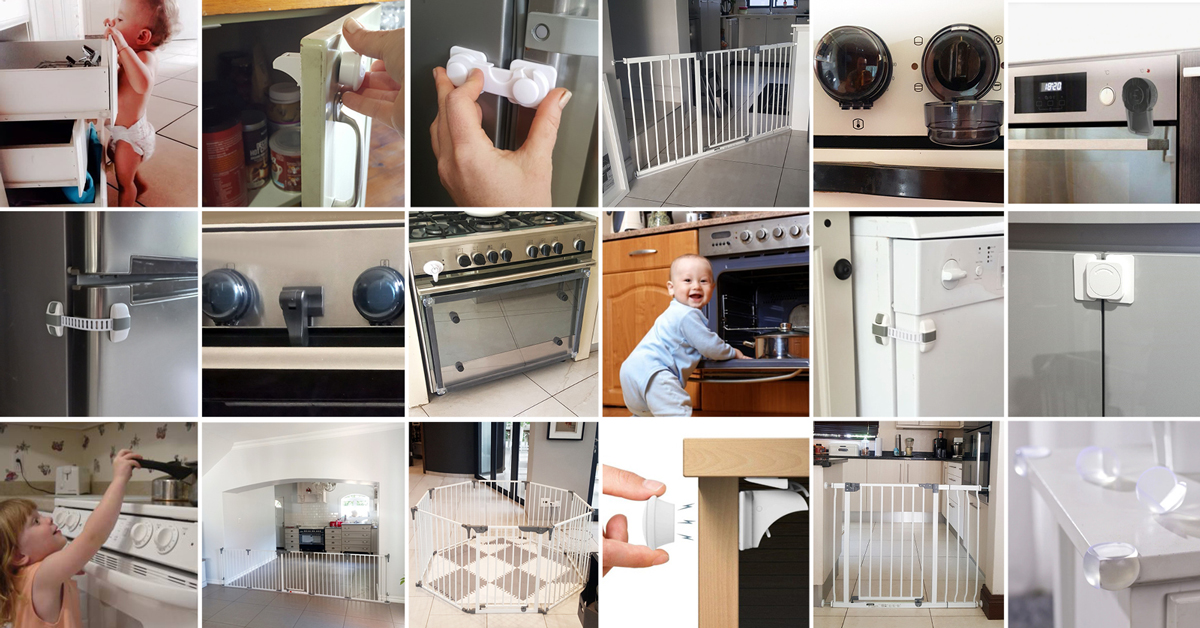
Read full article on How to childproof your Kitchen… click here to visit page
kitchen-safety-childproofing-category
Ensuring Stove and Oven Safety for Kids
The kitchen, often regarded as the heart of the home, can also be a hazardous environment for children. To enhance safety in South African kitchens, consider installing safety knobs on stoves and ovens. These devices prevent little hands from accidentally turning on burners, significantly reducing the risk of burns or fires.
It’s essential to educate children about the dangers associated with cooking and to supervise them closely while they are in the kitchen. Creating designated cooking times where children can safely assist with food preparation is not only an excellent opportunity to teach them about safety but also to instil a love for cooking and healthy eating.
Furthermore, keeping flammable items away from the stove is crucial. Towel racks or cloths should be placed at a safe distance to prevent possible fire hazards. Regularly checking the kitchen for potential hazards and involving older children in maintaining a safe cooking area can foster a culture of safety in the household. By prioritising kitchen safety, families can enjoy cooking together while navigating this vital space securely.
Securing Sharp Objects in the Kitchen
Sharp objects in the kitchen pose significant risks to children if not properly secured. Knives and other sharp utensils should be stored out of reach or locked in drawers to prevent accidents. Magnetic knife strips can provide an effective and safe way to store knives while keeping them accessible for adult use.
Involving older children in discussions about kitchen safety can be beneficial. Teaching them how to handle sharp objects responsibly and emphasising the importance of keeping knives away from younger siblings can help create a comprehensive safety culture within the household.
Additionally, consider utilising child-safe kitchen tools, such as plastic knives designed for younger hands. These utensils allow children to participate in food preparation without the risk of injury. Regularly checking kitchen tools for wear and tear ensures that they remain safe for use. By implementing these strategies, families can create a safer kitchen environment while educating children about responsibility.
Managing the Safety of Cleaning Supplies
Cleaning supplies, often kept under the sink or in accessible cabinets, can pose significant hazards for children. To safeguard against accidental poisoning, it is essential to store these items in locked cabinets. Many South African homes feature kitchen and bathroom storage solutions that can be modified with child-proof locks.
Developing a habit of storing cleaning products immediately after use can help prevent them from being left in easily reachable areas. Consider using child-resistant containers for hazardous items, ensuring they are clearly labelled to avoid confusion.
Educating older children about the dangers of cleaning products is crucial; explain why they should not handle these items. Involving children in cleaning tasks can promote awareness and responsibility, as long as safety remains the top priority. Conducting regular checks on storage areas ensures that all cleaning supplies are securely stored, reinforcing the family’s commitment to safety and proactive measures regarding how to baby proof for multiple children.
Implementing Cabinet and Drawer Locks
In any household, kitchens and bathrooms are often filled with items that can pose risks to young children. Locking cabinets and drawers is a fundamental aspect of how to baby proof for multiple children. Child-proof locks should be installed on all cabinets that contain knives, sharp objects, or cleaning supplies. These locks deter curious little hands from accessing harmful materials and create a safer environment.
If your children are particularly adept at figuring out simple locks, consider upgrading to more sophisticated locking systems. Transparent container storage can also help keep items visible while ensuring they remain secure.
Encouraging a family culture of safety involves involving older children in conversations about cleaning supplies and sharp objects. Teaching them the importance of returning items to their designated storage locations fosters a sense of responsibility. Regular checks on locks and storage solutions can help ensure that all items remain safely stored and accessible only to adults.
Preventing Access to Electrical Outlets
Electrical safety is paramount in homes with young children. Outlets are often at the perfect height for little hands to reach, making it essential to cover all electrical outlets in South African homes. Child-proof outlet covers can be an effective solution, ensuring that children cannot tamper with electrical sockets.
Encouraging a culture of safety by teaching children about the dangers associated with electricity is vital. Regularly inspecting cords and plugs for damage discourages the use of frayed or damaged electrical items.
Creating barriers, such as furniture placement, can serve as physical deterrents to access outlets. By maintaining vigilance and implementing preventive measures, families can ensure a safer environment, which is essential for how to baby proof for multiple children.
Implementing Bathroom Safety Measures
Preventing Drowning and Bathroom Hazards
Drowning is a significant concern in homes with young children, particularly in bathrooms. To combat this risk, consider installing toilet locks that prevent children from accessing the toilet bowl. Additionally, always supervise children during bath time and encourage them to communicate if they feel uncomfortable or unsafe during their time in the bath.
When bathing children, ensure that the water temperature is appropriate to prevent burns. Using bath mats designed to prevent slipping is also a prudent safety measure, reducing the likelihood of falls during bath time.
Establishing a routine for bathroom safety helps children develop an understanding of safe practices. Regularly inspect for hazards, such as loose mats or slippery surfaces, to consistently maintain a safe environment. Through proactive measures and education, families can enjoy bath time safely while minimising risks associated with drowning.
Avoiding Slips and Falls in the Bathroom
Bathroom floors can become slippery, posing significant risks for children. To reduce the likelihood of slips and falls, installing non-slip mats in showers and baths is a crucial step in how to baby proof for multiple children. These mats provide grip, ensuring that both children and adults can safely navigate the bathroom space.
In addition to mats, consider using grips or adhesive strips within the bath and shower areas. Educate children about the importance of being careful when entering and exiting these areas, reinforcing safety practices consistently.
Regular maintenance is essential for bathroom safety. Check for water accumulation and ensure proper drainage to avoid hazardous pooling. With ongoing vigilance and proactive measures, families can significantly reduce the risk of slips and falls, ensuring that bathroom environments are safe for all.
Securing Medications to Prevent Accidental Ingestion
Medications pose a serious danger to children, making it essential to keep them securely stored in locked cabinets. Many South African bathrooms contain cabinets that can be modified with child-proof locks. Always store medications out of reach, ensuring that they are not left on countertops or in locations where children can easily access them.
Educating older children about the risks associated with medications is crucial. Encourage them to assist in maintaining a safe environment by ensuring that all items are returned to safe storage after use.
Regular checks of the medicine cabinet can help ensure that expired or unused medications are disposed of safely. Implementing these proactive measures can significantly minimise the risk of accidental poisoning, reinforcing a strong commitment to safety within the household.
Creating Safe Play Areas for Children
Designing Indoor Play Zones for Safety
Creating designated play areas inside South African homes is essential for keeping multiple children safe. These zones can be tailored to the available space, utilising soft furnishings, rugs, and safety gates to define play areas. By establishing clear boundaries, parents can maintain a degree of control over where children can safely play.
Organising toys in designated bins helps prevent clutter and reduces the risk of tripping hazards. Encourage children to share toys and promote cooperative play within these zones, fostering a sense of community and social interaction in their play.
Regularly assess the play area for safety, ensuring that all toys are age-appropriate and free from hazards. By nurturing safe indoor play zones, families can create an enriching and secure environment that allows children to explore their creativity while prioritising safety.
Establishing Safe Outdoor Play Spaces
Outdoor play is vital for children’s development, and ensuring these spaces are safe is crucial for families. Create a secure outdoor area by enclosing the yard with a sturdy fence. Soft surfaces, such as grass or rubber mulch, can cushion falls, significantly reducing the risk of injury when children are playing.
Ensure that all outdoor play equipment meets safety standards and is age-appropriate. Conduct regular inspections for wear and tear on swings, slides, and climbing structures to prevent accidents.
Encouraging outdoor play not only promotes physical health but also fosters social connections among children. By designing safe outdoor play spaces, families can enable children to explore their environment freely, all while prioritising their safety.
Effectively Managing Toys for Safety
An organised toy collection is fundamental for maintaining safety and encouraging sharing among children. Establish clear storage solutions for toys, ensuring they are easily accessible yet neatly contained. This reduces clutter and helps avoid tripping hazards, particularly in shared play areas.
Encourage children to take responsibility for tidying up after playtime. This practice not only reinforces the value of organisation but also allows children to navigate their environment safely. Rotating toys regularly keeps playtime fresh and engaging while managing clutter effectively.
Regularly assess toys for potential hazards, such as broken pieces or small parts that could pose choking risks. By implementing effective toy management strategies, families can create a safer and more enjoyable play experience for multiple children.
Addressing Sibling Dynamics for a Safer Home
Encouraging Cooperation Among Siblings
Teaching children to cooperate and share toys is essential for creating a harmonious household. In South African homes, instilling values of teamwork and respect among siblings can significantly improve safety dynamics. Encourage cooperative play by providing games and activities that require teamwork, fostering communication and problem-solving skills among siblings.
Establishing clear expectations for behaviour can help guide interactions among siblings. Setting family rules around sharing and taking turns creates a structured environment where children feel secure and valued.
Modeling positive interactions between siblings reinforces these lessons. When conflicts arise, guide children through the resolution process, helping them understand the importance of empathy and compromise. By nurturing cooperation, families can create a supportive environment that enhances safety and emotional well-being for all children.
Effectively Managing Conflicts Among Siblings
Conflict among siblings is a natural part of family life but can lead to unsafe situations if not managed effectively. Learning strategies to resolve conflicts can prevent accidents and promote a sense of security within the home. Encourage open communication and teach children to express their feelings without resorting to physical confrontations.
Establishing a family protocol for conflict resolution can be beneficial. For example, implementing a ‘cool-down’ period allows siblings to step away from the situation and approach it with a clearer mindset.
Regular family meetings can create an open forum for discussing conflicts and reinforcing positive behaviours. By addressing sibling dynamics proactively, families can foster an environment of mutual respect while promoting safety for all members of the household.
Fostering Independence While Maintaining Safety
Encouraging children to explore their environment independently is important for their development, but it must be balanced with safety measures. Create safe spaces where children can engage in independent play, allowing them to develop their skills while minimising risks.
Teach older siblings to be responsible role models for their younger siblings, reinforcing safe behaviours during playtime. This not only promotes independence but also strengthens family bonds and encourages teamwork among siblings.
Monitoring independent play is vital. Regular check-ins can help ensure that children are engaged in safe activities, promoting a sense of security while allowing them to enjoy their autonomy. By fostering independence while prioritising safety, families can create a nurturing environment for all children.
Promoting Effective Communication Among Siblings
Effective communication among siblings can reduce conflicts and enhance relationships. Encourage children to express their feelings openly, teaching them to listen actively to each other. This fosters a supportive environment where siblings can resolve issues without resorting to physical confrontations.
Regular family discussions can encourage open dialogue, allowing children to voice their concerns or feelings in a safe setting. Implementing a family ‘talking stick’ or designated time for discussions helps children practise effective communication skills.
Encouraging emotional intelligence through communication fosters empathy and understanding among siblings. By prioritising communication, families can create a harmonious home environment where all children feel valued and understood.
Building Empathy for Stronger Sibling Relationships
Empathy is a vital skill for children to learn, especially among siblings. Encouraging children to recognise and share each other’s feelings can reduce conflicts and foster stronger bonds. Activities such as role-playing scenarios or reading books that highlight emotions can cultivate empathy in young minds.
Teach children to consider how their actions affect others, reinforcing the importance of kindness and understanding. When conflicts arise, guide children through discussions that help them appreciate differing perspectives.
Creating family traditions that emphasise sharing and caring can further enhance empathy. By nurturing these values, families can strengthen relationships among siblings, leading to a more cohesive and safe environment for all.
Preparing for Emergencies in a Family Home
Check out our
Assembling a Comprehensive First Aid Kit
Don’t have the time? CLICK HERE to purchase our fully stocked, Family First Aid Kit – 250 piece

Read article: What to Include in a Well-Stocked Family First Aid Kit
Having a well-stocked first aid kit in South African homes is essential for responding to emergencies with multiple children. Equip your kit with items such as adhesive bandages, antiseptic wipes, gauze, and over-the-counter medications suitable for children. Consider including specific items for common conditions in your area, such as allergy treatments or snake bite kits.
Regularly check the contents of your first aid kit, replacing expired items and ensuring that it is easily accessible yet out of reach of children. Training older siblings on basic first aid can empower them to assist in emergencies, fostering a culture of safety and preparedness within the household.
Consider having multiple kits in different areas of the home, such as the kitchen, bathroom, and playroom. By adequately preparing for emergencies and educating children on safety protocols, families can navigate unexpected situations with confidence and assurance.
Maintaining Updated Emergency Contacts
Having a readily available list of emergency contacts is crucial for swift responses in a crisis. Compile a comprehensive list that includes local emergency services, family contacts, and medical professionals. Ensure that every adult in the household is familiar with this list and knows its location.
Consider creating a laminated card or digital document with emergency contacts that are easily accessible on mobile devices. Regularly review and update the list to ensure it remains relevant, particularly when changes occur in the family or local services.
Educating children about the importance of knowing emergency contacts can instil a sense of responsibility and awareness. Conduct practice drills for emergencies, such as fire evacuations or medical situations, to ensure that everyone knows what to do when faced with a crisis. By prioritising preparedness, families can navigate emergencies confidently and safely.
Establishing Clear Emergency Plans
Creating a clear emergency plan is vital for families, especially those with multiple children. Develop a comprehensive plan that outlines procedures for various emergencies, such as fire, medical situations, or natural disasters. Involve all family members in discussions to ensure everyone understands their roles.
Regularly practice your emergency plan, including evacuation routes and safe meeting points outside the home. Familiarity with these procedures can alleviate anxiety and confusion during actual emergencies.
Creating a simple emergency communication strategy, such as appointing a designated family member as the contact in case of separation, can also enhance safety. By preparing effectively for emergencies, families can create a secure environment that prioritises the well-being of all children.
Implementing Child Identification Measures
In emergencies, having proper identification for children can be crucial. Consider equipping children with ID bracelets or tags that include vital information, such as their names, parents’ contact numbers, and any medical conditions. This simple measure can significantly aid emergency responders if children become separated from their parents.
Educate children about the importance of staying close to trusted adults in unfamiliar environments and encourage them to memorise essential information, such as their home address and emergency contact numbers.
Regularly review these safety measures with children, ensuring they understand their significance. By prioritising child identification and safety awareness, families can significantly enhance their preparedness for emergencies.
Frequently Asked Questions About Child Safety
What are the best ways to baby proof a home for multiple children?
To effectively baby proof a home for multiple children, secure heavy furniture, lock cabinets, cover electrical outlets, and create designated play areas. Regularly assess the environment for potential hazards to maintain safety and ensure a secure space for children.
How can I make my garden safe for children?
Ensure your garden is enclosed with a sturdy fence, remove poisonous plants, and install soft surfacing beneath play equipment. Conduct regular inspections of the area for hazards to keep children safe while they play.
What safety measures should I take for staircases?
Install child-proof gates at both the top and bottom of staircases, teach children to use handrails, and secure furniture away from stair edges to prevent accidents and ensure a safer environment for young ones.
How can I teach my children about kitchen safety?
Involve children in cooking activities and educate them about the dangers of sharp objects and hot surfaces. Use safety knobs on stoves and consistently reinforce safe practices to cultivate a culture of safety in the kitchen.
What should be included in a first aid kit for families with children?
A family first aid kit should include adhesive bandages, antiseptic wipes, gauze, and child-friendly medications. Regularly check and update the kit to ensure it remains well-stocked and ready for emergencies.
How can I encourage cooperation among siblings?
Encourage cooperative play through games that require teamwork, set clear expectations for sharing, and model positive interactions to foster an environment where children respect and support one another.
What should I do if my child experiences a conflict with a sibling?
Guide children through conflict resolution by encouraging open communication, establishing family rules, and helping them understand differing perspectives to promote empathy and understanding among siblings.
How can I create safe play areas in my home?
Designate indoor and outdoor play zones with soft surfaces, organise toys to reduce clutter, and ensure that play equipment is age-appropriate and securely installed to promote safety during playtime.
What steps can I take for pool safety?
Install a sturdy pool fence with a self-closing gate, supervise children closely while swimming, and educate them about water safety to prevent drowning incidents and ensure a safe swimming environment.
How do I prepare for emergencies in a multi-child household?
Compile a list of emergency contacts, establish an emergency plan, and ensure all family members know their roles. Regular practice can increase preparedness and safety in unexpected situations.
