
How to Select Safe Pool Fences: South African Guide
Comprehensive Guide to South African Pool Safety Regulations

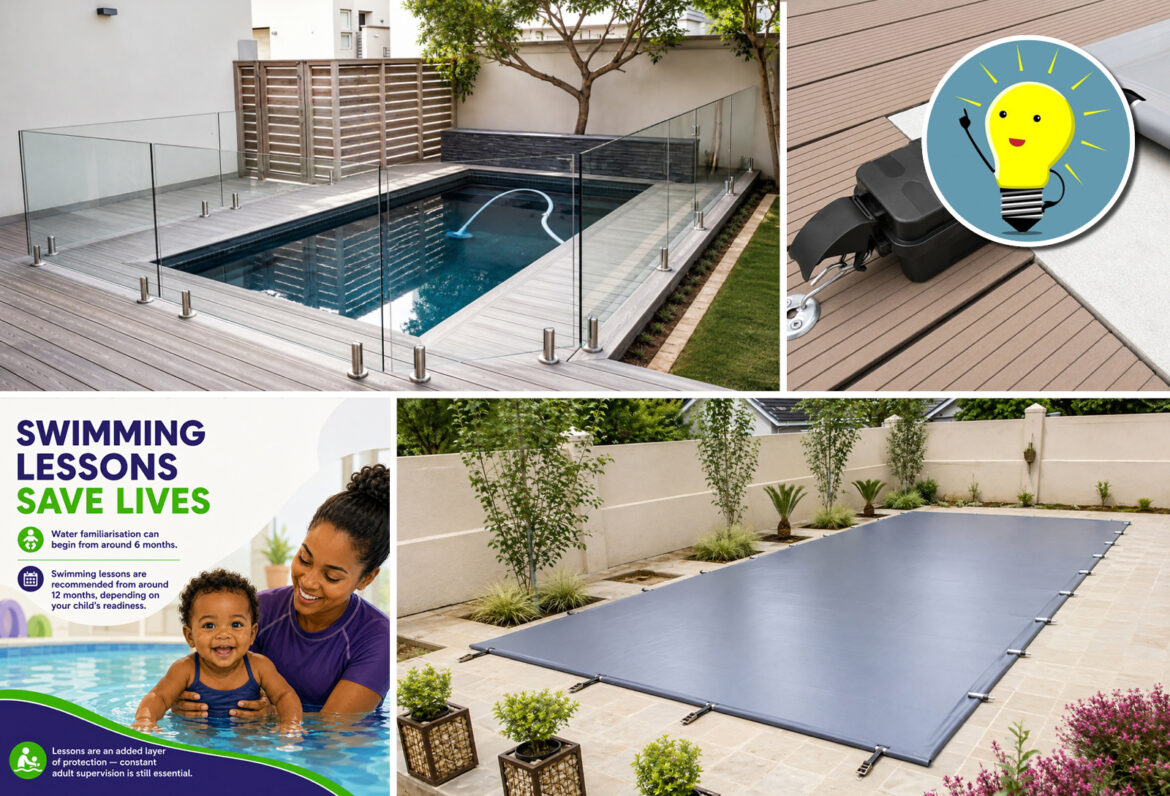
Water-familiarisation classes can begin from around 6 months
What Are the Essential Pool Fencing Laws in South Africa?
Understanding the legal requirements for pool fences in South Africa is crucial for ensuring a safe environment for all. The South African National Standards (SANS) 10400 part T details the specifications and standards that every pool owner must follow. These regulations are specifically designed to protect children and other vulnerable individuals from the inherent dangers associated with swimming pools. Adhering to these laws is not merely a legal requirement; it represents a moral responsibility that can significantly reduce the likelihood of tragic accidents.
In South Africa, the law stipulates that any pool exceeding a depth of 300mm must be securely enclosed by a fence that stands at a minimum height of 1.2 metres. This height requirement is imperative to prevent children from easily climbing over or slipping through the barrier. Additionally, the fencing must be constructed to deter climbing, necessitating a design that does not provide footholds. Elements such as horizontal bars should be avoided as they can facilitate a child’s ascent. Furthermore, gates within the enclosure must feature self-closing and self-latching mechanisms, guaranteeing that they remain securely locked when not in active use.
Local municipalities may impose additional requirements beyond national standards, making it essential to consult with your local authority before proceeding with the installation of a pool fence. Regular inspections and potential certifications are often mandatory to verify that the fence complies with all relevant safety standards. Neglecting these regulations can lead to legal consequences, underscoring the importance of a thorough understanding of the law.
What Are the Key Features of Compliant Pool Fences?
To guarantee that your pool fence meets South African safety standards, it is crucial to incorporate several key features into its design. The height of the fence is one of the most vital factors; it must be at least 1.2 metres tall to effectively deter children from scaling it. Yet, height alone is not sufficient; the design must include various safety elements to restrict children’s access to the pool area.
The materials used for constructing the pool fence must also align with standards that promote both durability and safety. Common choices include glass panels, aluminium, and steel. While glass panels offer an elegant appearance and allow for visibility, they must be toughened and properly installed to prevent breakage. On the other hand, aluminium and steel fences are robust and provide an effective barrier, although they may require regular maintenance to avoid rust and deterioration over time.
Another critical feature is the locking mechanism on the gates. For maximum safety, gates must be equipped with a self-closing and self-latching mechanism. This mechanism should be installed at a height that is out of reach of young children, ensuring that it cannot be easily accessed. The latch must be designed to be childproof, making it difficult for little hands to open it.
Incorporating these features not only ensures compliance with regulations but also fosters a secure and safe environment around your pool area, providing peace of mind for families.
How Can You Verify Compliance with Local Authorities?
After the installation of your pool fence, it is imperative to ensure that it meets local regulations. The first step involves contacting your local municipality to arrange an official inspection. Each municipality may have its specific guidelines and procedures for verifying compliance, so it is essential to familiarise yourself with the local protocols.
When seeking verification, it is prudent to prepare all relevant documentation associated with your pool fence installation. This documentation should include invoices for materials, installation contracts, and any plans or designs that were submitted for approval. Having these materials readily available can expedite the inspection process. During the inspection, local authorities will evaluate various factors, including the height, material, and overall structural integrity of the fence, ensuring that it meets safety regulations.
In certain cases, municipalities may issue a certificate of compliance following a successful inspection. This certificate can be invaluable for insurance purposes and adds an extra layer of assurance that your pool fence adheres to necessary safety standards. If any deficiencies are identified during the inspection, local authorities will provide you with the necessary steps to rectify these issues, ensuring that you remain fully compliant with the law.
What Are the Consequences of Non-Compliance with Pool Safety Regulations?
Failing to adhere to pool safety standards can lead to severe repercussions, both legally and personally. From a legal perspective, non-compliance can result in substantial fines imposed by local municipalities. In South Africa, neglecting the mandated safety measures may incur penalties that not only affect your financial situation but could also influence your ability to sell your property later on. Prospective buyers are increasingly scrutinising homes with pools that lack adequate safety measures, making compliance essential.
Additionally, the implications of failing to comply go beyond financial penalties. Should an accident occur due to inadequate fencing, the legal ramifications could escalate into civil lawsuits. Such situations can be devastating for families, leading to emotional and financial turmoil. In incidents involving children, the community may also hold the pool owner accountable, resulting in significant reputational harm.
It is important to recognise that the consequences of non-compliance are not merely hypothetical risks. They pose real dangers to vulnerable individuals, especially young children and pets. Therefore, abiding by local pool safety regulations is not just a legal obligation; it is also a moral imperative aimed at safeguarding the well-being of everyone in the vicinity.
Expert Recommendations for Selecting Safe Pool Fences
Explore Real-World Examples of Safe Pool Fence Installations in South Africa
Real-world examples can offer insightful perspectives on effective pool fence designs. For instance, a family in Cape Town chose a glass pool fence that not only provides a clear view of their pool but also serves as a robust safety barrier. The fence stands at 1.5 metres high and is constructed from toughened glass panels secured with stainless steel fittings. This combination meets safety compliance while enhancing the visual appeal of their backyard.
Another noteworthy example is found in a suburb of Johannesburg, where homeowners selected aluminium fencing. This decision was influenced by the region’s climatic conditions, as aluminium is resistant to rust and requires minimal upkeep. The fence features closely spaced vertical bars to prevent climbing, and the self-closing gates are equipped with childproof locks, adding an extra layer of security for the family.
In the coastal areas, such as Durban, homeowners often face challenges due to salt exposure. A family in this region installed a powder-coated steel fence that offers durability against the harsh coastal environment. This installation not only meets safety regulations but is also designed to withstand corrosion, ensuring a long-lasting solution for pool safety.
These examples illustrate how different South African homes have successfully implemented safe and compliant pool fencing solutions. By examining these installations, prospective pool owners can draw inspiration and insights for their own fencing choices, ensuring safety without compromising on aesthetics.
What Are the Best Materials for Pool Fencing in South African Climates?
Choosing the right materials for pool fencing is crucial, particularly considering the diverse climates across South Africa. For regions experiencing high humidity, such as coastal areas, aluminium is an excellent choice due to its resistance to rust and corrosion. Powder-coated aluminium provides additional protection, enhancing durability against the elements.
In contrast, areas experiencing extreme heat, like the Karoo, may benefit from glass fencing. Toughened glass not only offers an attractive appearance but also serves as a barrier that reflects sunlight, preventing heat accumulation. It is essential to ensure that the glass panels are reinforced and securely anchored to withstand strong winds prevalent in these regions.
For those residing in more temperate areas, wooden fencing can serve as a natural and appealing option. However, it is critical to treat the wood with weather-resistant coatings to mitigate the effects of rain and sun exposure. Although wood can be visually inviting, the maintenance required to keep it in optimal condition should be taken into account during the decision-making process.
Lastly, steel remains a popular choice due to its strength and durability. Galvanised steel is particularly effective in high-wind regions, providing a solid barrier while ensuring compliance with safety standards. Ultimately, the best materials for pool fencing in South Africa will depend on the specific climate of the region and the personal preferences of the owner.
What Are the Actionable Steps for Selecting and Installing a Safe Pool Fence?
Selecting and installing a safe pool fence involves a systematic process that requires careful thought and adherence to safety regulations. Here are key steps to guide homeowners through this essential process:
- Conduct thorough research on local regulations to understand the requirements regarding height, material, and design.
- Select appropriate materials based on climate considerations and aesthetic preferences, ensuring both durability and safety.
- Consult with professional installers who possess experience in South African pool safety standards.
- Request quotes from multiple contractors to compare costs and the services offered.
- Review design options to ensure they incorporate essential safety features such as self-closing gates.
- Schedule regular inspections and maintenance checks post-installation to ensure ongoing compliance over time.
- Maintain documentation of the installation process and compliance certificates for insurance purposes.
- Educate all family members about pool safety and the importance of the fencing system.
Adhering to these steps can significantly enhance the safety of your pool area while ensuring compliance with local laws. By prioritising safety from the outset, you can protect your loved ones and provide peace of mind as a pool owner.
What Are the Benefits of Installing Safe Pool Fences?
How Do Safe Pool Fences Effectively Prevent Drowning Incidents?
Safe pool fences serve as a crucial barrier that prevents accidental drownings, particularly among young children. They create a secure environment surrounding the pool area, which is vital in households with children or pets. The physical barrier provided by a compliant pool fence significantly diminishes the risk of unsupervised access to the pool, a leading cause of drowning incidents.
Research indicates that homes equipped with proper fencing and safety measures report fewer cases of near-drowning or drowning. A well-constructed fence serves as the first line of defence, deterring curious children from wandering into potentially perilous situations. Features such as self-closing and self-latching gates further enhance this protective measure, ensuring that the pool area remains securely enclosed.
Moreover, it is vital to acknowledge that a safe pool fence not only safeguards children but also provides reassurance for parents and caregivers. The knowledge that a substantial barrier is in place enables families to enjoy their pool without the constant anxiety associated with water safety.
Ultimately, investing in a compliant pool fence is a proactive measure that saves lives, offering an essential layer of protection and peace of mind for all pool owners.
How Installing Compliant Pool Fences Enhances Property Value
Installing a compliant pool fence not only prioritises safety but can also enhance the value of your property. Prospective buyers frequently seek homes with safe and well-maintained pool areas; an effective fencing solution can serve as a significant selling point. In the competitive South African real estate market, possessing a pool with proper safety measures elevates the property’s appeal and assures buyers of the longevity of their investment.
Beyond aesthetics, a compliant pool fence signals to potential buyers that the previous owners valued safety and adhered to legal requirements. This proactive approach can enhance the property’s marketability, leading to quicker sales and potentially higher offers. Furthermore, homes that comply with safety regulations often enjoy better insurance rates, adding to their overall financial viability.
In many South African suburbs, having a pool is regarded as a desirable feature, especially during the warmer months. However, without adequate safety measures in place, it could deter potential buyers. Therefore, investing in a high-quality pool fence not only protects your family but also serves as a strategic move to enhance the overall value of your property.
Providing Peace of Mind for Pool Owners and Families
The knowledge that your pool is safely enclosed provides invaluable peace of mind for both pool owners and their families. Investing in a compliant pool fence demonstrates a commitment to safety, allowing families to enjoy their pool without the constant worry of accidents. This peace of mind is particularly crucial for families with young children or pets, who may unintentionally wander into potentially hazardous situations.
A secure pool environment fosters relaxation and enjoyment during gatherings or family time. Parents can confidently engage with their children in the water, knowing that safety measures are in place. This additional layer of security enhances the overall enjoyment of the pool experience, as families can focus on making cherished memories without the persistent anxiety of potential hazards.
Moreover, having a safe pool fence encourages social interactions and gatherings. Friends and family are more inclined to visit homes with secure pool areas, aware that protective measures are in place to safeguard their loved ones. This sense of community and shared enjoyment becomes a significant aspect of pool ownership.
Ultimately, the peace of mind that accompanies a safe pool fence is invaluable, ensuring families can fully embrace the joys of pool ownership without compromising on safety.
Expert Strategies for Selecting Safe Pool Fences
Durability Analysis of Different Pool Fence Types
Different types of pool fences exhibit varying degrees of durability, and understanding these differences is crucial for long-term safety and compliance in South Africa. Glass fencing is highly regarded for its aesthetic appeal and visibility; however, it necessitates careful installation to ensure durability. Toughened glass is extremely strong but can be vulnerable to damage if not properly maintained. Regular inspections for chips or cracks are essential to maintain its structural integrity over time.
Aluminium fences are widely favoured in South Africa due to their lightweight yet durable nature. They are resistant to rust and corrosion, making them ideal for coastal regions. Powder-coating offers an additional layer of protection, ensuring that aluminium fences remain a long-lasting choice. Their ability to withstand environmental factors while requiring minimal maintenance makes them a preferred option for many homeowners.
Steel fences, particularly galvanised options, offer a robust solution capable of enduring extreme weather conditions, rendering them suitable for various climates across South Africa. However, untreated steel has the potential to rust, necessitating regular maintenance and occasional repainting to ensure longevity.
In contrast, wooden fences may provide a natural aesthetic but demand more upkeep to maintain their durability. Without proper treatment, wood can warp, rot, or become damaged by pests. Homeowners must weigh the aesthetic appeal of wood against the required maintenance and longevity considerations.
Each type of pool fence presents unique advantages and disadvantages, making it essential to make an informed choice based on your specific environment to ensure long-term safety and compliance.
What Are the Most Cost-Effective Pool Fencing Options?
Understanding the cost-effectiveness of various pool fencing options can aid you in making an informed choice. Chain link fencing is often considered one of the most economical selections. It offers a functional barrier at a lower price point but may lack the aesthetic appeal and durability of other materials. However, incorporating privacy slats can enhance its appearance without significantly increasing costs.
Aluminium fencing strikes a balance between cost and durability. While it may be more expensive than chain link, its longevity and low maintenance requirements can justify the initial investment. Powder-coated options may have a higher upfront cost, but their rust resistance can result in long-term savings.
On the other hand, glass fencing tends to be one of the pricier choices. However, the investment pays off in terms of aesthetics and safety, as it provides an unobstructed view of the pool area. That said, the installation costs can be higher, requiring skilled labour for proper fitting.
Lastly, vinyl fencing has gained popularity in recent years. It offers an appealing combination of affordability and durability, requiring minimal maintenance. Vinyl fences are resistant to fading and weather damage, making them a smart long-term investment.
When assessing cost-effectiveness, it is crucial to consider not only the initial purchase price but also long-term maintenance and durability. A comprehensive evaluation can ensure that you choose a pool fence that meets both your budgetary and safety needs.
How to Select a Reliable Pool Fence Installer in South Africa?
Choosing a reliable installer is critical for ensuring that your pool fence is installed correctly and safely. Begin by researching local contractors who specialise in pool safety installations. Look for installers with proper credentials and extensive experience in South African pool safety regulations. Reading reviews and testimonials can provide valuable insight into their reputation and the quality of their previous work.
Requesting quotes from multiple contractors allows you to compare prices and services. A reputable installer will be willing to provide detailed estimates, including any potential additional costs for materials and labour. It is wise to inquire about their experience with specific fencing types and their understanding of local regulations, as this knowledge can significantly influence the installation process.
Always verify compliance with local industry standards, ensuring that your installer is licensed and insured. This not only protects you during the installation but also guarantees that the work will meet safety regulations.
Personal recommendations from friends or family can also be beneficial in guiding your decision. If someone has had a positive experience with a particular installer, it is likely that you will too. Building a relationship based on trust and open communication with your installer is key to a successful pool fence installation.
Implementing Pool Safety Measures for Families
Swimming pools are common in many South African homes, offering endless fun during the warm summer months. However, they also present significant risks, especially for young children. When implementing how to baby proof for multiple children, strict pool safety measures are essential. Begin by installing a robust pool fence that meets local safety regulations, ensuring it includes a self-closing and self-latching gate. This barrier serves as the first line of defence to prevent children from accessing the pool area unsupervised.
REPUTABLE Pool Fencing Suppliers in South Africa:
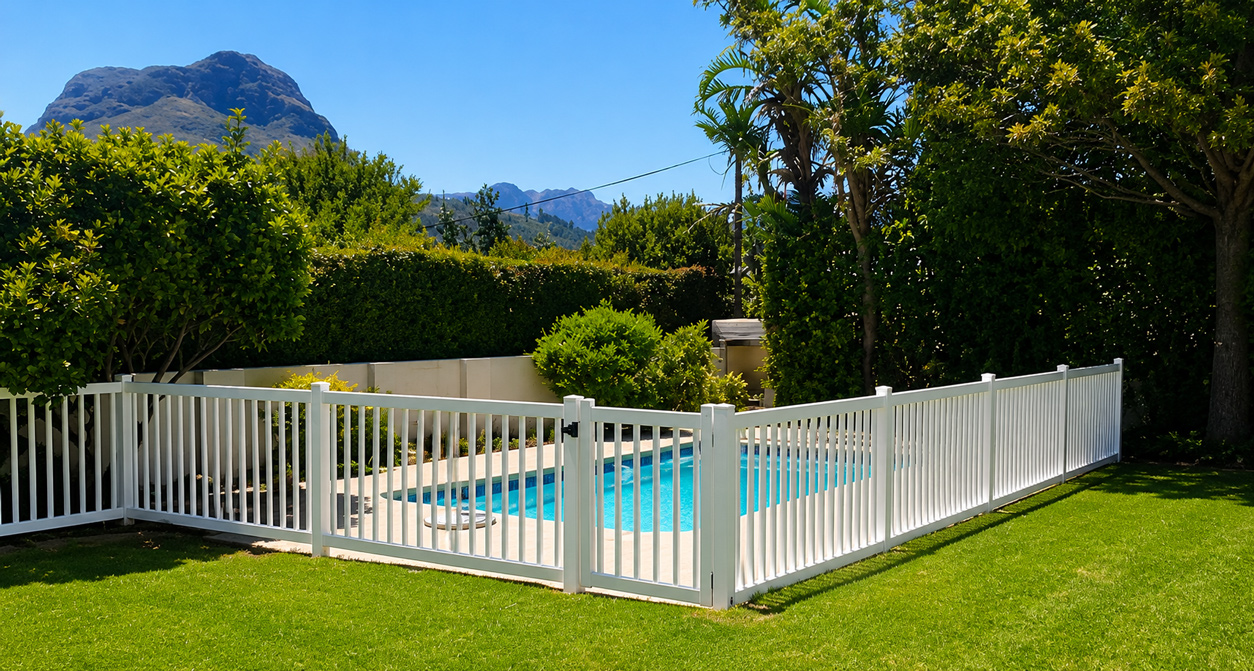
PVC Pool Safety Fencing by Absolute Fencing
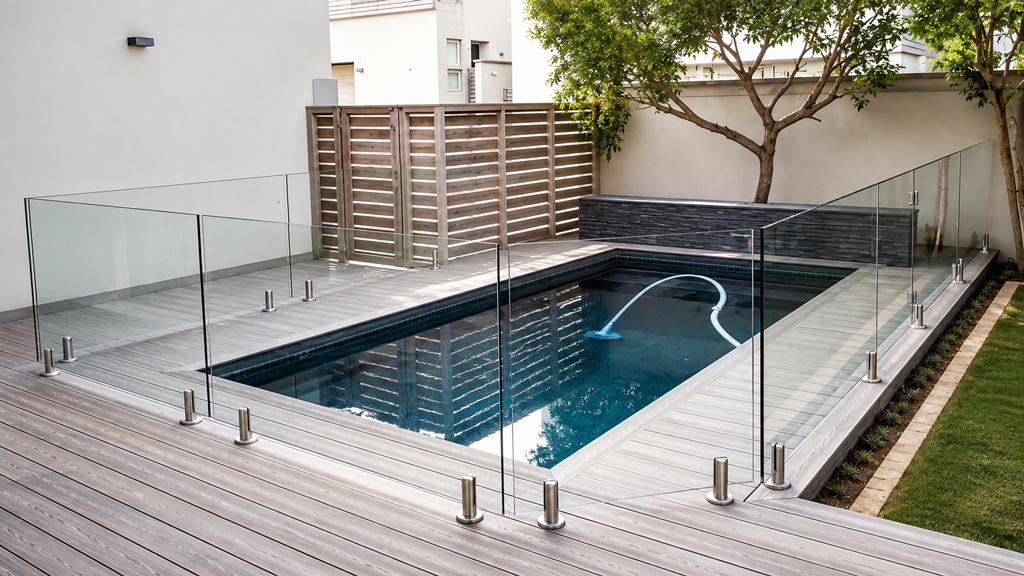
Glass Pool Balustrade
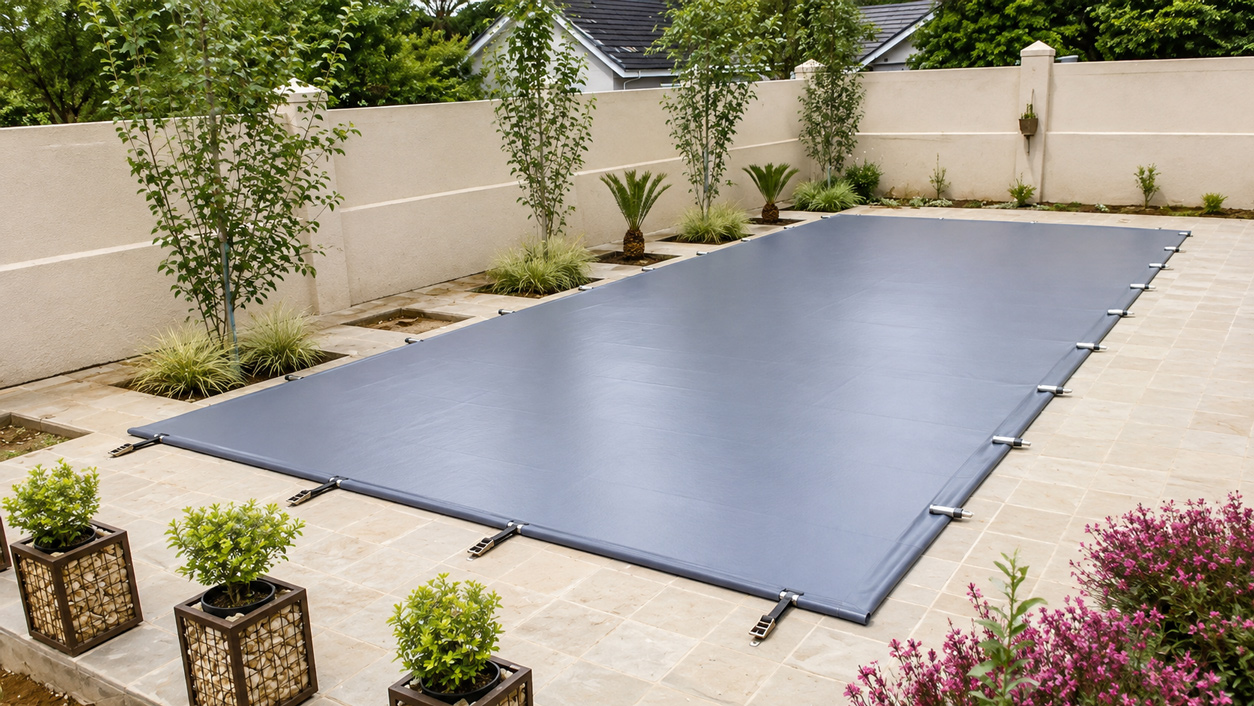
PVC Cover with Aluminium Poles by Nets & Covers
Does your Pool Cover have Ratchets?
Ensure your have ‘Childproof Pool Cover Ratchet Enclosures‘
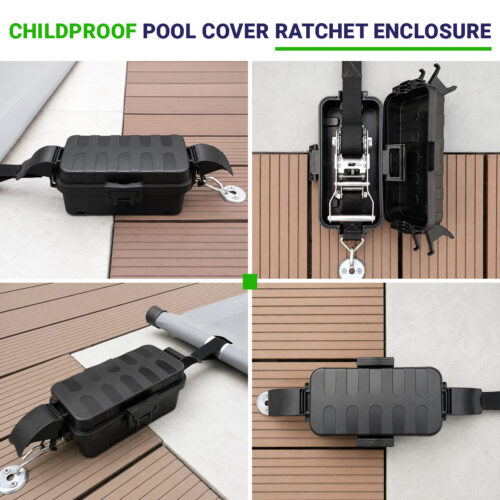
childproof-pool-ratchet-cover
Pool safety covers that use ratchets can leave sharp metal components exposed around the pool area. These components may be accessible to young children and can cause cuts, lacerations or puncture injuries if a child trips over or falls onto the ratchet.
The Childproof Pool Cover Ratchet Enclosure is a purpose-designed Baby Proof product that surrounds the exposed ratchet mechanism, providing an additional layer of protection for children playing around the pool.
Supervision is another critical aspect of pool safety.
Designate a responsible adult to monitor children while they swim, especially when multiple children are present. Teaching children basic swimming skills and water safety can empower them to be more cautious around water. Enrolling them in swimming lessons can significantly reduce the risk of drowning incidents.
Keep poolside areas clear of toys and furniture that may tempt children to climb over barriers. Implementing additional safety measures such as pool alarms or flotation devices can provide extra layers of security. By emphasising the importance of pool safety within the family, you cultivate a culture of vigilance, ensuring that everyone understands the risks involved while enjoying the pool responsibly.
What Safety Features Should You Look for in Pool Fences?
When selecting a pool fence, several key safety features must be prioritised to ensure maximum safety for children and pets around pools. The most critical feature is ensuring that the fence meets the minimum height requirement of 1.2 metres. This height acts as the first line of defence against accidental entry.
Another essential safety feature is the self-closing gate. This gate should automatically close after use, preventing any accidental access to the pool area. Additionally, it must be equipped with a childproof latch placed at a height that young children cannot reach. This added safeguard ensures that the gate cannot be easily opened by small hands.
When considering the design of the fence itself, avoid vertical slats or bars that are spaced too widely. Such designs can allow children to climb or squeeze through, creating a potential hazard. Opting for a non-climbable design with horizontal surfaces at the top can significantly enhance safety.
Lastly, consider the durability of the materials used. Fences made from robust, weather-resistant materials will last longer and require less maintenance, ultimately contributing to ongoing safety. Selecting a pool fence that incorporates these essential safety features ensures that your swimming area is secure and compliant with South African regulations.
How to Ensure Your Pool Fence Complies with South African Regulations?
Understanding and adhering to local safety regulations is vital for pool fences in South Africa. The first step is to familiarise yourself with the South African National Standards (SANS) 10400 part T, which outlines specific requirements regarding height, material, and installation standards for pool fences. Consulting your local authority can provide additional insights into any municipal regulations that may apply.
When selecting a fence, ensure that it meets the required height of at least 1.2 metres and is constructed from suitable materials that can withstand local weather conditions. The fence should be designed to prevent climbing, incorporating features like non-climbable designs and closely spaced vertical bars.
Once installed, arrange an inspection with your local municipality to verify compliance. The inspector will evaluate the installation against established regulations, ensuring that all safety features are present and functional. After successfully passing inspection, you may receive a certificate of compliance, which can be beneficial for insurance purposes.
Maintaining compliance involves regular inspections and maintenance checks to ensure that the fence remains in good condition. Understanding these protocols and actively adhering to them not only assures compliance with regulations but also fosters a safe environment surrounding your pool.
Essential Maintenance and Upkeep of South African Pool Fences
Guidelines for Regular Inspection and Repair
Regular inspections and timely repairs are crucial for maintaining the safety and compliance of your pool fence. These checks should be performed at least twice a year, or more frequently in areas with harsh weather conditions. During inspections, look for visible signs of damage, such as rust, loose fittings, or cracks in glass panels. Addressing these issues promptly can prevent further deterioration and ensure ongoing compliance with safety regulations.
In addition to visual inspections, it is vital to regularly test the functionality of gates and latches. Self-closing gates should operate smoothly, closing automatically without obstruction. The latching mechanism must engage correctly, ensuring that the gate cannot be easily opened by children. If any part of the fence appears compromised or shows signs of wear, it is essential to arrange for repairs immediately.
Another key aspect of maintenance involves understanding the materials used in your fence. For aluminium and steel fences, periodic cleaning and repainting may be necessary to prevent rusting. Glass fences may require less maintenance, but regular cleaning is important to ensure clear visibility and a safe environment.
By establishing a routine for inspections and repairs, pool owners can ensure that their fencing remains compliant and effectively serves its purpose, protecting loved ones from potential dangers.
Cleaning and Preserving Different Pool Fence Materials
Proper cleaning and preservation techniques can significantly extend the lifespan of your pool fence. Different materials require specific care to maintain their integrity and appearance. For aluminium and steel fences, it is advisable to clean them periodically using mild soap and water. A soft brush can help remove dirt and grime without scratching the surface. For powder-coated surfaces, follow the manufacturer’s guidelines to avoid damaging the finish.
Glass panels can be cleaned using glass cleaner or a vinegar solution for a streak-free shine. Regular cleaning helps prevent the accumulation of grime, which can impair visibility. Ensure that any cleaning products used are safe for glass to avoid etching or damaging the surface.
For wooden fences, regular treatment with weather-resistant sealants or stains is necessary to preserve the wood and protect it from rot. Inspecting the wood for signs of wear or damage should be part of your regular maintenance routine, as untreated wood can become a safety hazard over time.
Understanding the unique requirements for each type of material ensures that your pool fence remains in excellent condition, providing both safety and visual appeal. Consistent care will ultimately prolong the lifespan of your investment.
What Are the Signs Indicating Your Pool Fence Needs Replacement?
Over time, pool fences may exhibit signs of wear that indicate the need for replacement. Common indicators include visible rust or corrosion on metal fences, which can compromise structural integrity. If the rust is extensive and not merely surface-level, replacement may be necessary.
For wooden fences, look for signs of rot, splitting, or severe warping. Damaged wood can jeopardise the safety of the fence, making it imperative to replace affected sections or the entire fence if the damage is extensive. In glass fences, cracks or chips in the panels are clear indicators that replacement is necessary, as these can weaken the structure and pose safety risks.
Another sign that replacement is warranted includes persistent issues with gate functionality. If gates consistently fail to close or latch properly, this may indicate a fundamental problem with the installation. Safety is paramount, and if repair attempts do not resolve the issue, replacement should be considered.
Regular maintenance checks can help identify these signs early on. Being proactive about the condition of your pool fence ensures that you maintain a safe environment around your pool, preventing accidents and enhancing the overall safety of your property.
Seasonal Maintenance Tips for Pool Fences
Adjust your maintenance routine according to the seasons to keep your pool fence in optimal condition. In summer, the increased usage of the pool often leads to more wear on the fence. Regularly inspect for any damage caused by high traffic or adverse weather conditions. Cleaning the fence during this time helps ensure that dirt and debris do not accumulate, which can affect both aesthetics and safety.
In autumn, leaves and debris can gather around the base of the fence. Regular clearing not only keeps the area tidy but also prevents rot or pest infestations, particularly in wooden fences. This is an excellent time to check for any signs of wear and prepare the fence for the harsher winter months ahead.
As winter approaches, inspect for any potential damage caused by ice or snow. Ensure that gates and latches function correctly, as freezing temperatures can affect these mechanisms. If you have a wooden fence, consider applying a weather-resistant sealant to protect it from moisture damage.
During spring, conduct a thorough inspection to address any issues that may have arisen during winter. This is also a great time to perform a deep cleaning of the fence and ensure that all safety features are in good working order, preparing for the increased usage that typically comes with warmer weather.
By tailoring your maintenance approach to the changing seasons, you can ensure that your pool fence remains safe, functional, and visually appealing throughout the year.
Case Studies on Pool Fence Safety in South Africa
Success Stories of Pool Safety in South African Homes
Case studies of successful pool safety implementations in South African homes can provide inspiration and practical guidance. For example, a family in Pretoria transformed their backyard pool area with a modern glass fencing solution. The installation not only enhanced the aesthetic appeal of their home but also provided an effective barrier against children accessing the pool unsupervised. They reported an increase in family gatherings, feeling more confident in their outdoor space knowing that safety was prioritised.
Another compelling case is found in Durban, where a homeowner opted for an aluminium fence with integrated self-closing gates. This decision was made following an incident involving a neighbour’s child nearly drowning. Since the installation, the family has emphasised the importance of water safety, even hosting community educational sessions on pool safety, illustrating how one family’s commitment to safety can inspire broader community awareness.
In Cape Town, a local resident chose a vinyl fence that not only provides a secure barrier but also complements the home’s coastal décor. This decision demonstrated how pool safety and aesthetics can coexist, creating a safe environment without sacrificing style.
These success stories highlight effective strategies and positive outcomes from various South African homes. By learning from these experiences, prospective pool owners can gain insights into the practical application of safety measures, ultimately enhancing the safety and compliance of their pool areas.
Lessons Learned from Pool Safety Incidents
Examining incidents where pool safety was compromised can yield valuable lessons. One incident in Johannesburg involved a family whose child accessed the pool area through a non-compliant gate latch. The latch failed to function properly, allowing the child to enter the pool area undetected. This incident underscored the importance of ensuring that all gates are equipped with self-closing and self-latching mechanisms, which should be checked regularly for functionality.
Another alarming case involved a family in Bloemfontein, where a wooden pool fence, which had not received proper maintenance, collapsed under the weight of a child attempting to climb over it. This incident highlighted the dangers of neglecting regular inspections and maintenance. It serves as a reminder that even compliant fences can become hazardous without ongoing care.
Additionally, a homeowner in Cape Town learned the hard way that having a pool fence is only part of the solution. They installed a fence but neglected to educate their children about pool safety. An incident occurred where the children attempted to climb the fence during a playdate, demonstrating that education must accompany physical safety measures.
These incidents reveal critical lessons about the importance of proper maintenance, functionality, and the need for continuous education on pool safety among families. Recognising these elements can help prevent similar occurrences in the future and promote a culture of safety around pools.
Community Initiatives to Promote Pool Safety
Community initiatives play a vital role in promoting pool safety and educating the public about the importance of secure pool fencing. Some notable projects in South Africa include:
- Local workshops hosted by municipalities focusing on pool safety regulations and compliance education.
- Community awareness campaigns that distribute informational brochures about the dangers of unsupervised swimming.
- Partnerships with local schools to educate children about water safety, emphasising the importance of secure pool environments.
- Free or subsidised inspections and consultations offered by local authorities to ensure compliance with safety regulations.
- Social media campaigns encouraging families to share their own pool safety tips and experiences.
- Support groups for parents that facilitate discussions surrounding pool safety practices and share resources.
- Collaborations with local businesses to provide discounts on pool safety equipment, promoting wider access to necessary safety measures.
- Hosting community events where families can come together to share their stories and learn from one another about the importance of pool safety.
These initiatives cultivate a culture of safety and community engagement, ensuring that pool safety is a collective responsibility among residents. By participating in these programmes, families can enhance their understanding of pool safety while contributing to a safer environment for everyone.
FAQs on Pool Safety Regulations and Practices
What Are the Legal Requirements for Pool Fencing in South Africa?
The legal requirements stipulate that pool fences must be at least 1.2 metres high and constructed from materials that prevent climbing. Gates must be self-closing and self-latching to ensure safety.
How Frequently Should I Inspect My Pool Fence?
It is recommended to inspect your pool fence at least twice a year or more frequently if you reside in an area with harsh weather conditions that could affect the fence’s integrity.
What Materials Are the Best Choices for Pool Fencing in South Africa?
Aluminium, glass, and treated wood are popular options for pool fencing in South Africa, each offering distinct benefits regarding durability, safety, and aesthetics.
How Can I Verify That My Pool Fence is Compliant with Local Regulations?
Contact your local municipality to schedule an inspection. They will evaluate your fence according to current safety standards and regulations to ensure compliance.
What Should I Do If My Pool Fence Exhibits Signs of Wear?
Address any signs of wear immediately. Depending on the extent of the damage, you may need to repair or replace sections of the fence to ensure safety and compliance.
Are Self-Closing Gates Truly Necessary for Pool Safety?
Yes, self-closing gates are essential as they prevent unsupervised access to the pool area, significantly reducing the risk of accidents and drowning incidents.
Can I Install a Pool Fence Myself?
While DIY installation is possible, it is advisable to hire a professional installer who is well-versed in local regulations to guarantee safety and compliance with standards.
What Are Common Safety Features to Include in Pool Fences?
Common safety features include self-closing gates, childproof latches, non-climbable designs, and sturdy materials that resist wear and tear, ensuring a secure environment.
How Do Pool Fences Enhance Property Value?
Compliant pool fences indicate to potential buyers that safety is prioritised, making the property more attractive and potentially increasing its market value.
What Are the Risks of Non-Compliance with Pool Safety Regulations?
Non-compliance can lead to hefty fines, legal liabilities, and increased risks of accidents, making adherence to safety regulations crucial for all pool owners.
